Handy HVAC Tips: How a Weak Capacitor Was Replaced in Decatur
Heating and Air Conditioning • Decatur • Heating and Air Conditioning in Decatur
Customer Case
A homeowner in Decatur noticed their air conditioner running all day without cooling the house. The outdoor unit hummed along, but the airflow felt warm. There was no sign of ice or visible leaks, and the system’s age was uncertain. After scheduling a visit, an HEP technician arrived—gate code in hand—to diagnose the issue.
Inspection Highlights
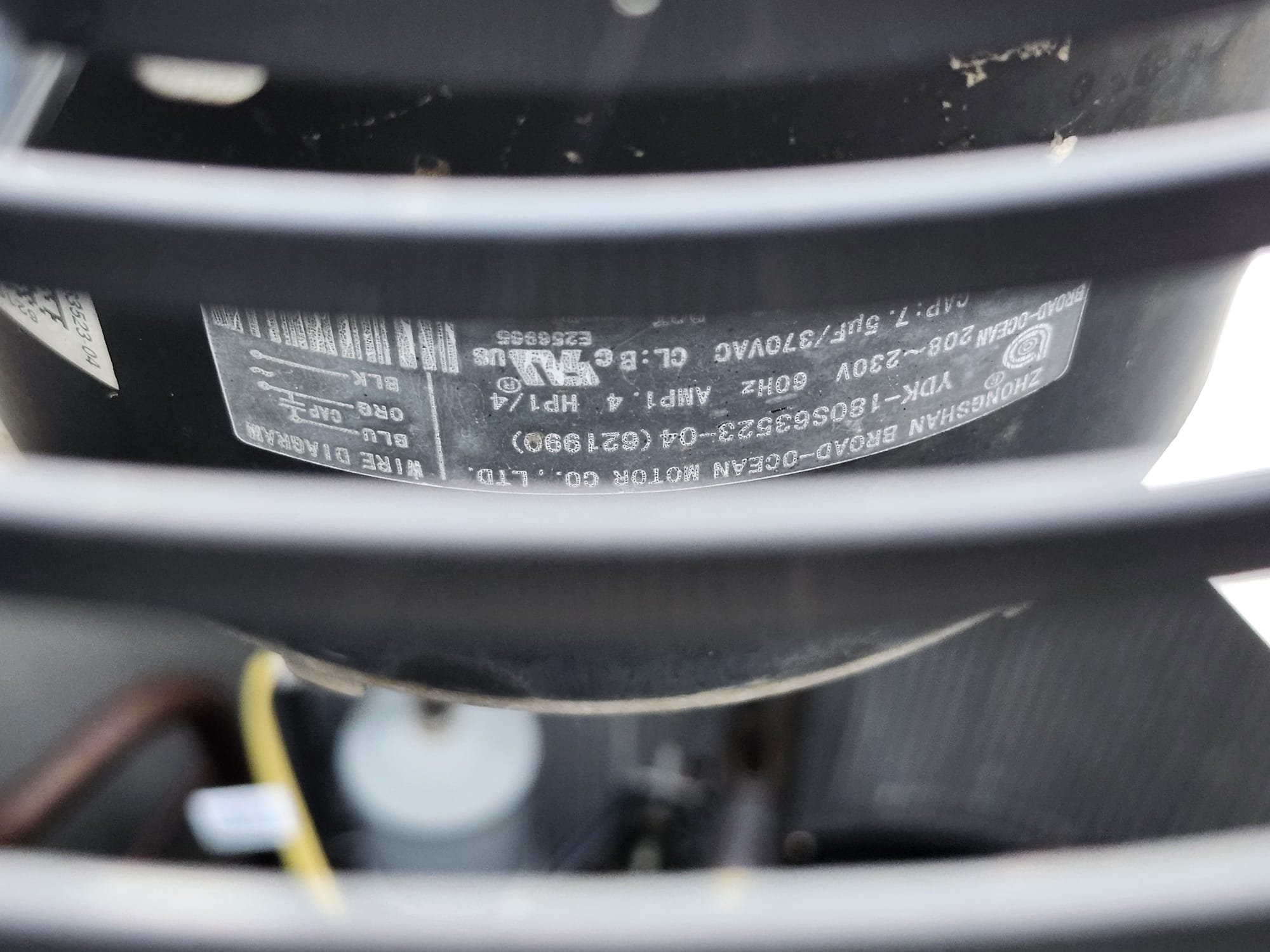
During the initial check-up, the HEP technician opened the protective grill and examined the fan motor. Everything looked connected, but there were subtle signs of strain on the fan assembly.
Quick Repair and Replacement
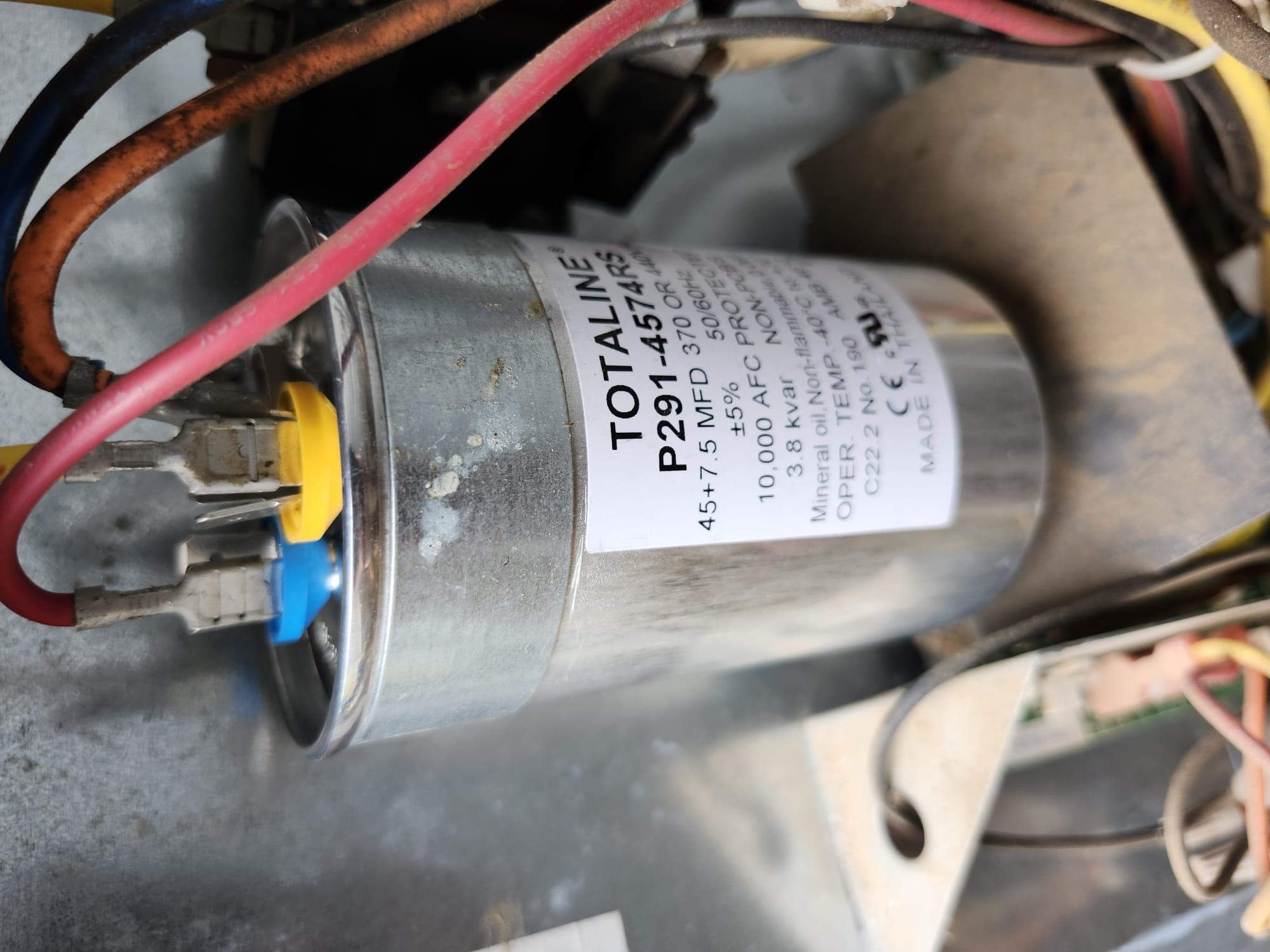
The technician discovered the capacitor that starts the fan motor was weak. Without enough power, the fan struggled to turn and began overheating. After clearing a small piece of debris lodged in the blades, the HEP technician replaced the old capacitor with a new dual-run model. With the fresh part in place, the fan spun freely and the system began cooling instantly.
Diagnostic Check
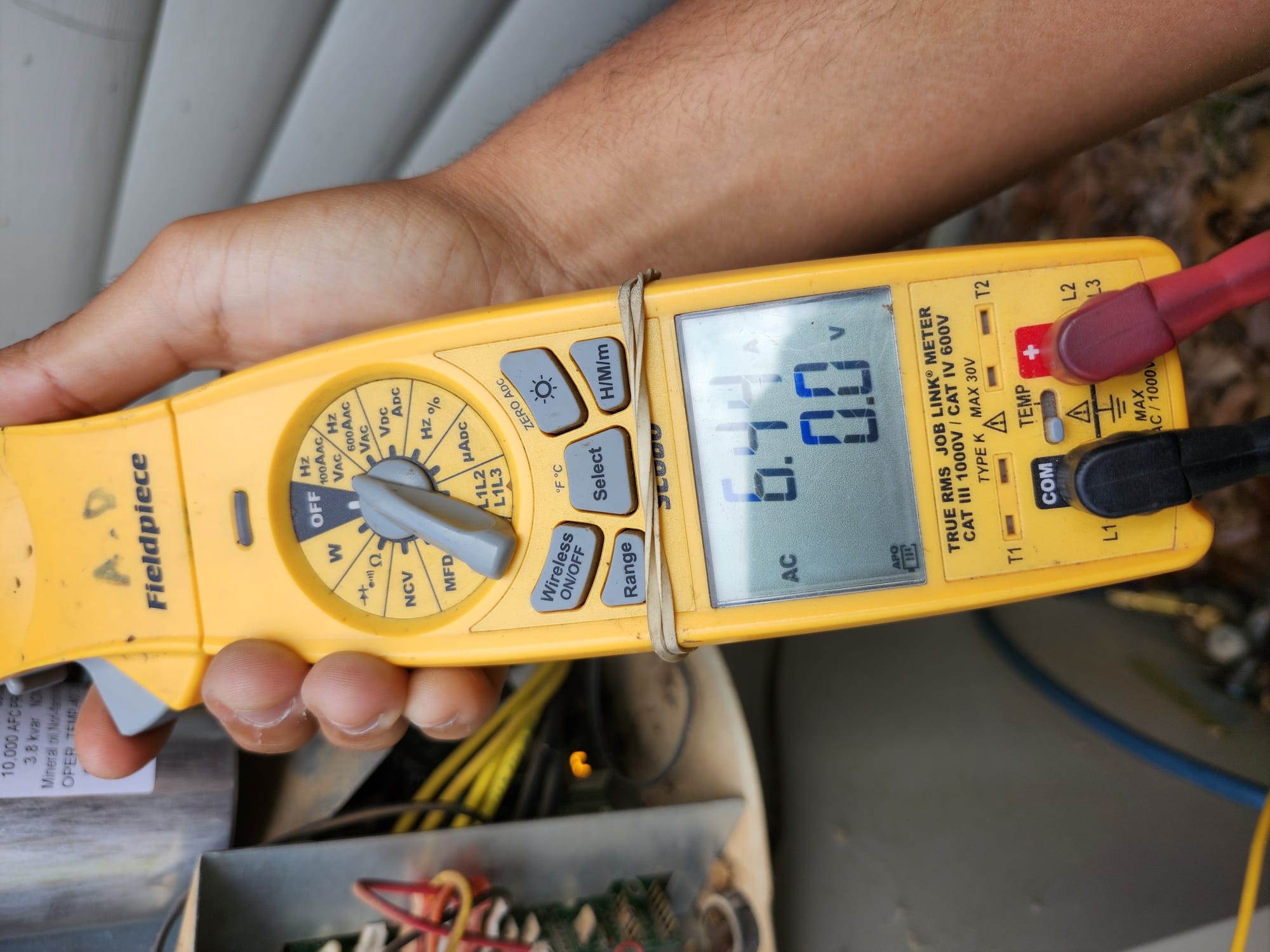
To confirm a lasting repair, the technician used a professional clamp meter to measure the motor’s current draw. Readings came right in line with manufacturer guidelines, ensuring the system wouldn’t stall on the next hot afternoon.
Key Takeaways
- Capacitor Health Matters: A failing capacitor can cause your fan motor to labor or stop altogether, leading to warm air and higher utility bills.
- Watch for Unusual Noises: Grinding or humming sounds often point to a power issue in the motor or capacitor.
- Keep Debris Clear: Leaves, sticks, or small objects trapped under the fan can cause overheating. A quick visual check around the unit can help.
Pro Tips for Homeowners
1. Schedule Annual Tune-Ups
Regular inspections by a qualified HEP technician prevent small issues from becoming big repairs.
2. Ensure Easy Access
Keep the area around your outdoor unit free of clutter and share any gate codes or access instructions in advance.
3. Note Unusual Behavior
Jot down any odd sounds or performance changes—your observations help technicians diagnose faster.
4. Ask About Service Magnets
A simple refrigerator magnet with emergency contact info can save time in future service calls.
By learning from this Decatur case, you’ll be better prepared to spot common HVAC issues—keeping your home comfortable and your equipment running smoothly.
Published on June 15, 2026