When a Wet Ceiling Wasn’t a Plumbing Leak: HVAC Lessons from a Sevierville Service Call
Helpful resources for homeowners: Heating and Air Conditioning, Sevierville, and Heating and Air Conditioning in Sevierville.
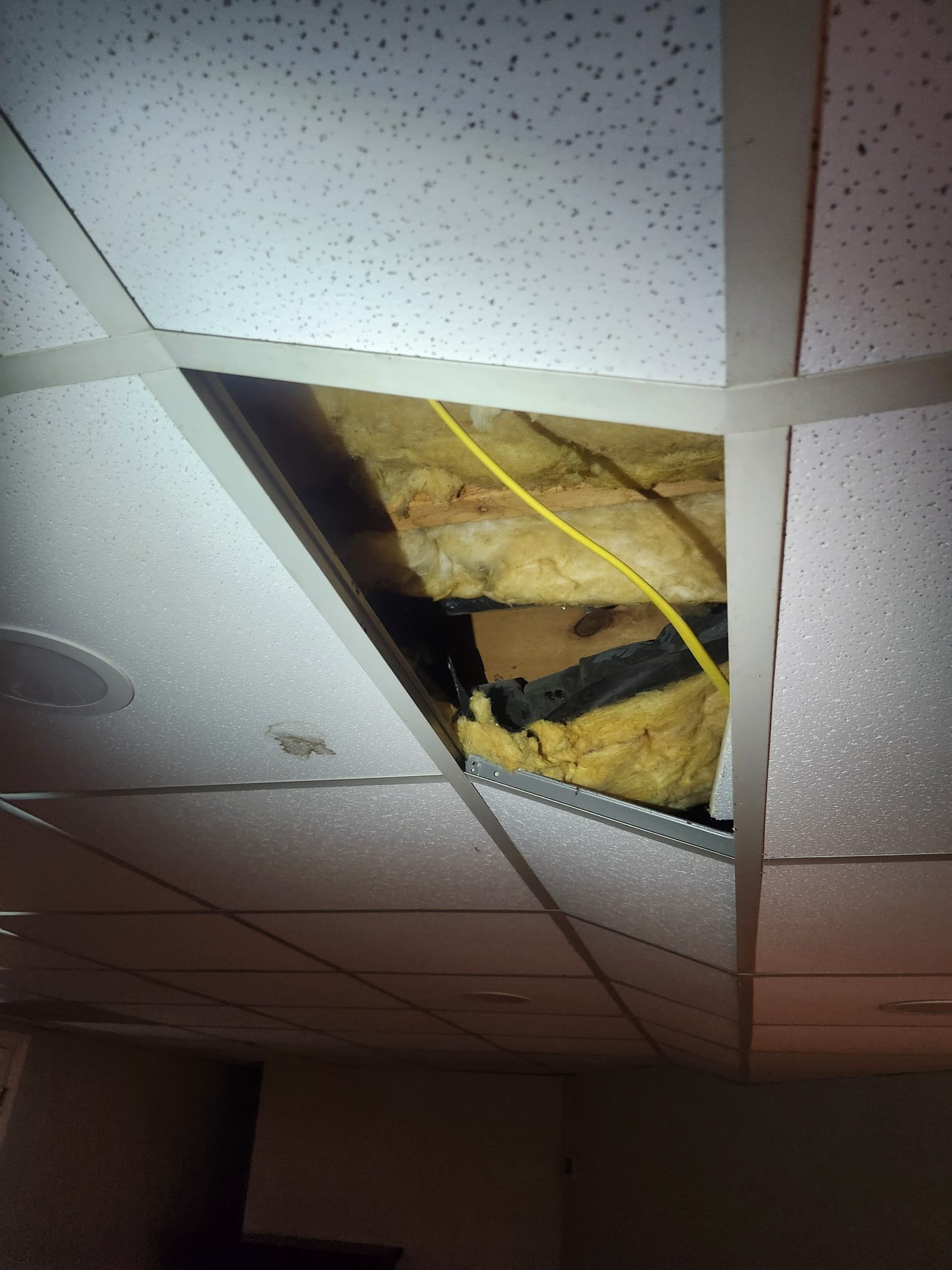
A homeowner in Sevierville noticed water marks on a downstairs drop ceiling and worried that a hidden pipe had started leaking. A HEP technician inspected the area and found a different source: the cooling system was creating moisture problems. The drain pan was not moving water away properly, water was being carried into the ductwork, and a nearby duct was also likely to sweat in the basement. The issue was corrected by clearing the drain path, cleaning the pan, adding a safety switch, and testing the condensate pump. The homeowner also received advice about improving duct insulation to help prevent future ceiling damage.
Why ceiling stains should never be ignored
Water spots on a ceiling do not always mean a burst plumbing line. In homes with finished basements or drop ceilings, HVAC moisture can create the same warning signs. When cooling equipment produces water and that water is not draining correctly, it can spill into the ceiling space, soak insulation, and leave behind stains.
A good rule for homeowners is simple:
- If the stain gets worse when the air conditioner runs, it may be an HVAC issue.
- If the area feels damp but the water is clear and does not smell, the source may not be plumbing.
- If the problem keeps coming back, the system should be checked before the damage spreads.
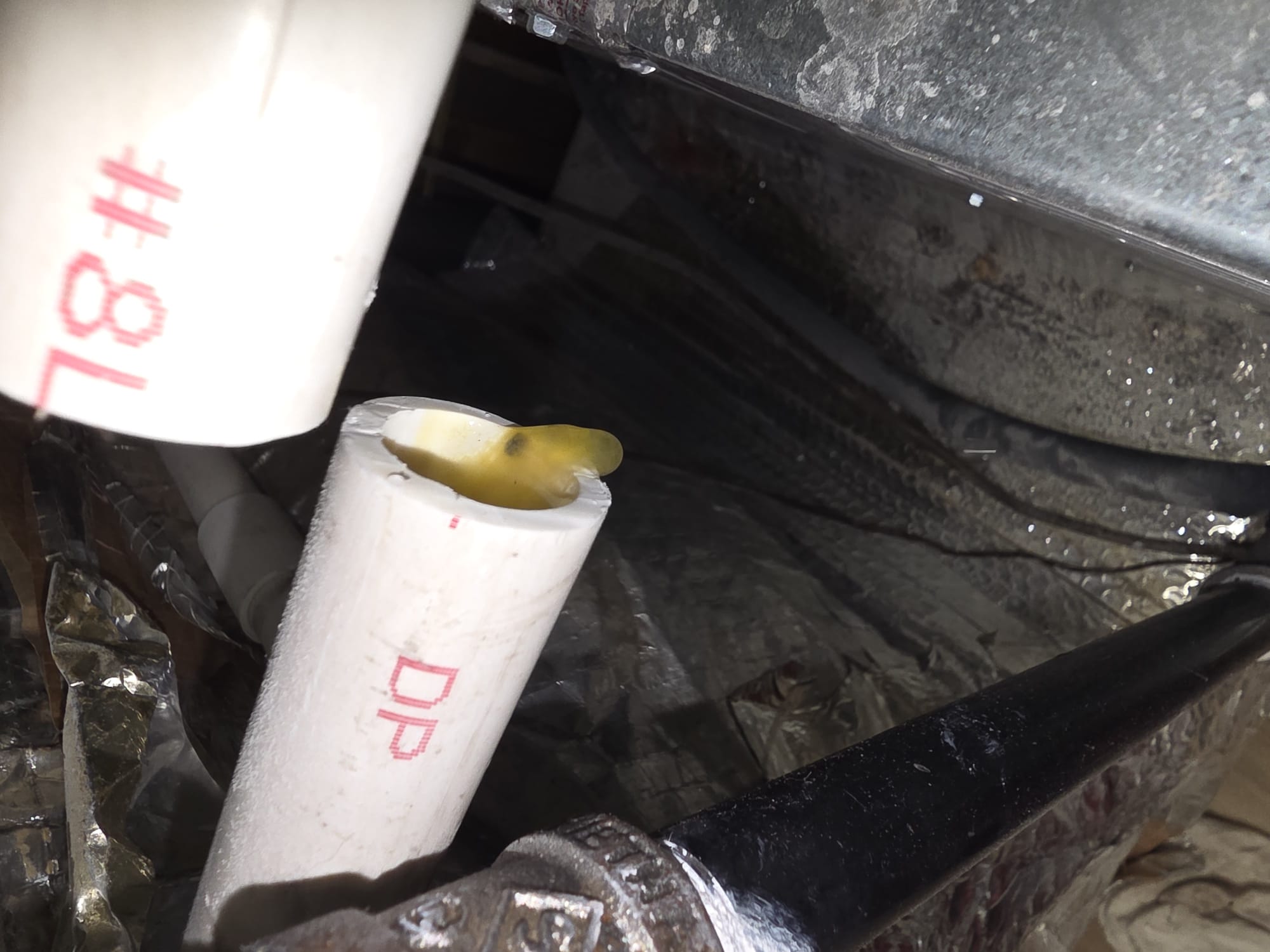
A slow or blocked drain line is one of the most common reasons for this kind of trouble. Think of it like a sink with a clog: water keeps coming in, but it cannot leave fast enough. That is when it starts looking for another place to go.
What the HEP technician checked
During the visit, the HEP technician looked at the parts of the system that handle moisture and safety. In plain language, the checks included:
- the drain pan under the cooling coil
- the line that carries water out of the system
- the backup safety switch
- the pump that helps move water away
- the condition of the nearby ductwork
- signs of sweating or damp insulation in the basement
A small safety switch is especially helpful for homeowners. If water starts backing up again, it can help stop bigger damage before the ceiling below is affected.
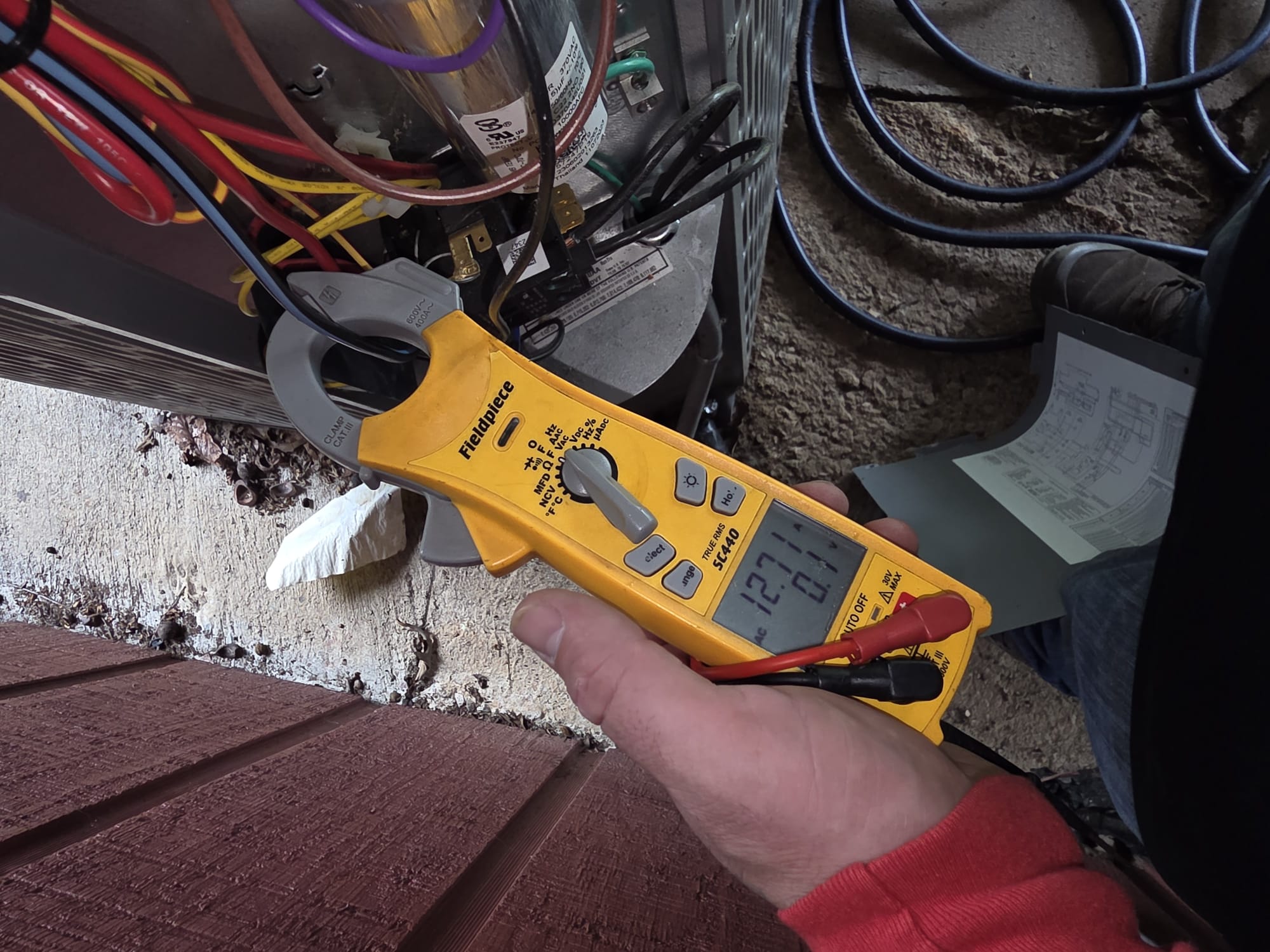
This kind of visit is a good reminder that Plumbing Service and HVAC Service often overlap. A wet ceiling may look like a pipe problem at first, but the source can be a cooling system that is not draining correctly.
Ducts can “sweat” in humid weather
The homeowner was also told that a metal duct running through the basement could still collect moisture, especially during warm, humid weather. That happens when cold air moves through a surface that is not insulated well enough. The outside of the duct can then gather water, just like a cold drink sweats on a hot day.
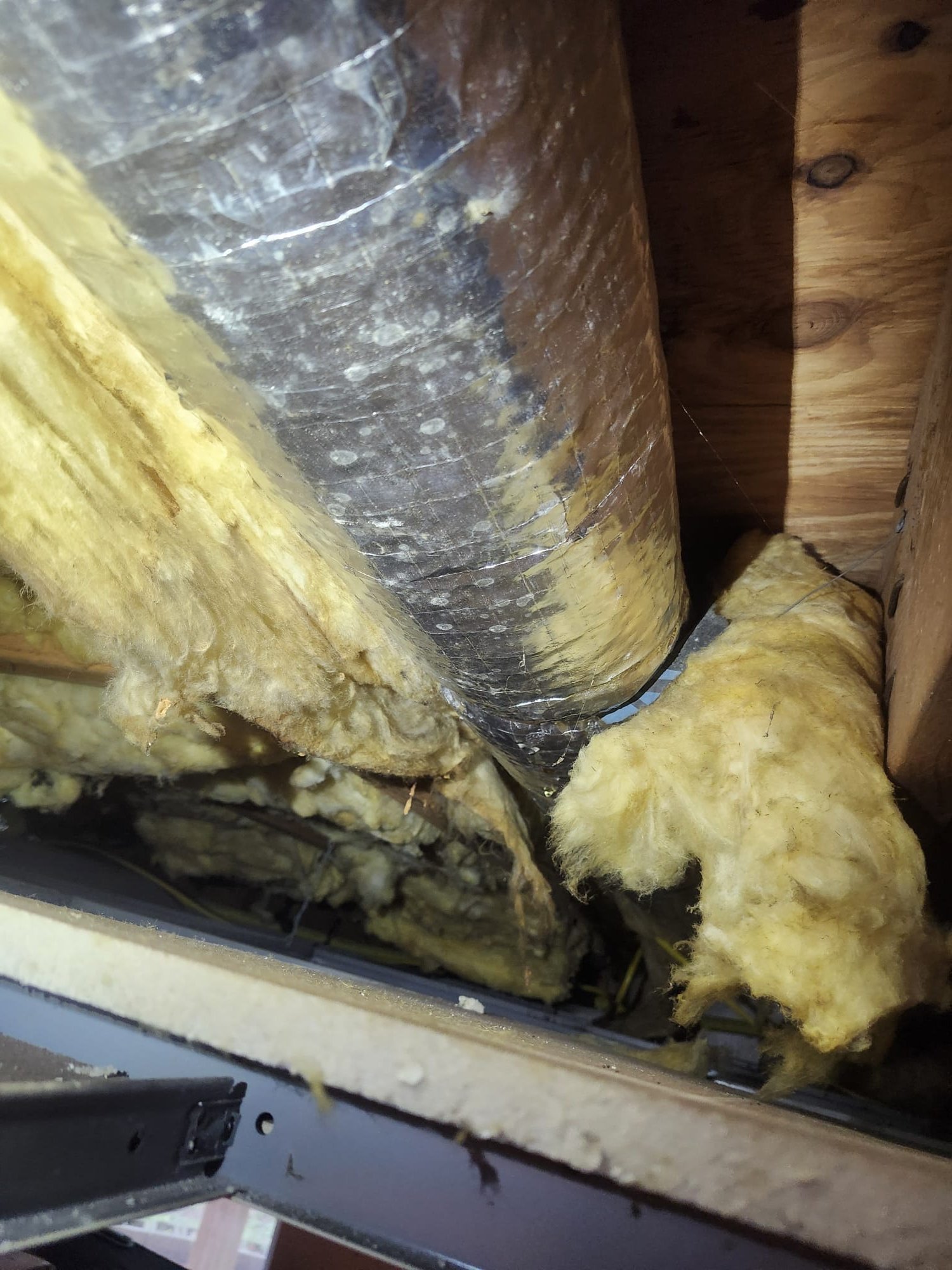
For homeowners, this matters because sweating ducts can lead to:
- water stains on ceiling tiles
- damp insulation
- musty odors
- hidden wood damage over time
- mold growth if the moisture is not addressed
If you see repeated staining under a basement ceiling, it is smart to ask a HEP technician to check both the drain system and the insulation around nearby ducts.
Simple homeowner tips to avoid repeat problems
Here are a few easy ways to stay ahead of moisture issues:
-
Watch for stains near vents or ceiling tiles.
Fresh discoloration often points to an active problem. -
Pay attention to when the water appears.
If it shows up during cooling season, the HVAC system should be inspected. -
Keep drain lines and pans on the maintenance checklist.
These parts are small, but they protect the rest of the home. -
Ask about a float switch if your system has had water trouble before.
It is a simple backup that can prevent a mess. -
Do not ignore damp insulation.
Once insulation gets wet, it often performs poorly and may need attention. -
Have the system checked before the damage spreads.
Quick service is usually easier than ceiling repair.
The takeaway from this Sevierville job
This Sevierville visit shows an important lesson for homeowners: not every wet ceiling is a plumbing leak. In this case, the problem was tied to the HVAC system, and the fix focused on drainage, safety, and moisture control rather than pipe replacement.
After the HEP technician cleared the blockage, improved protection against overflow, and tested the pump, the immediate leak source was addressed. The homeowner also got practical guidance on duct insulation, which can help reduce future sweating and protect the ceiling below.
If you notice water marks, damp tiles, or repeated moisture around a vent or basement ceiling, it is worth having both the plumbing and HVAC possibilities reviewed. Catching the issue early can save a lot of cleanup later.
Published on August 12, 2026