When an AC Stops Moving Air: A Johnson City HVAC Service Story
A homeowner in Johnson City came back to a warm house and found that the air conditioner was barely moving any air at all. The outdoor unit was quiet, the vents were weak, and comfort dropped fast. For anyone looking for Heating and Air Conditioning help in Johnson City, especially Heating and Air Conditioning in Johnson City, this kind of situation is a good reminder that a small problem outside can affect the whole home. In this case, the HEP technician found damaged wiring and a failed starting part, repaired the problem area, replaced the bad component, and got the system running again.
Why the unit’s label matters
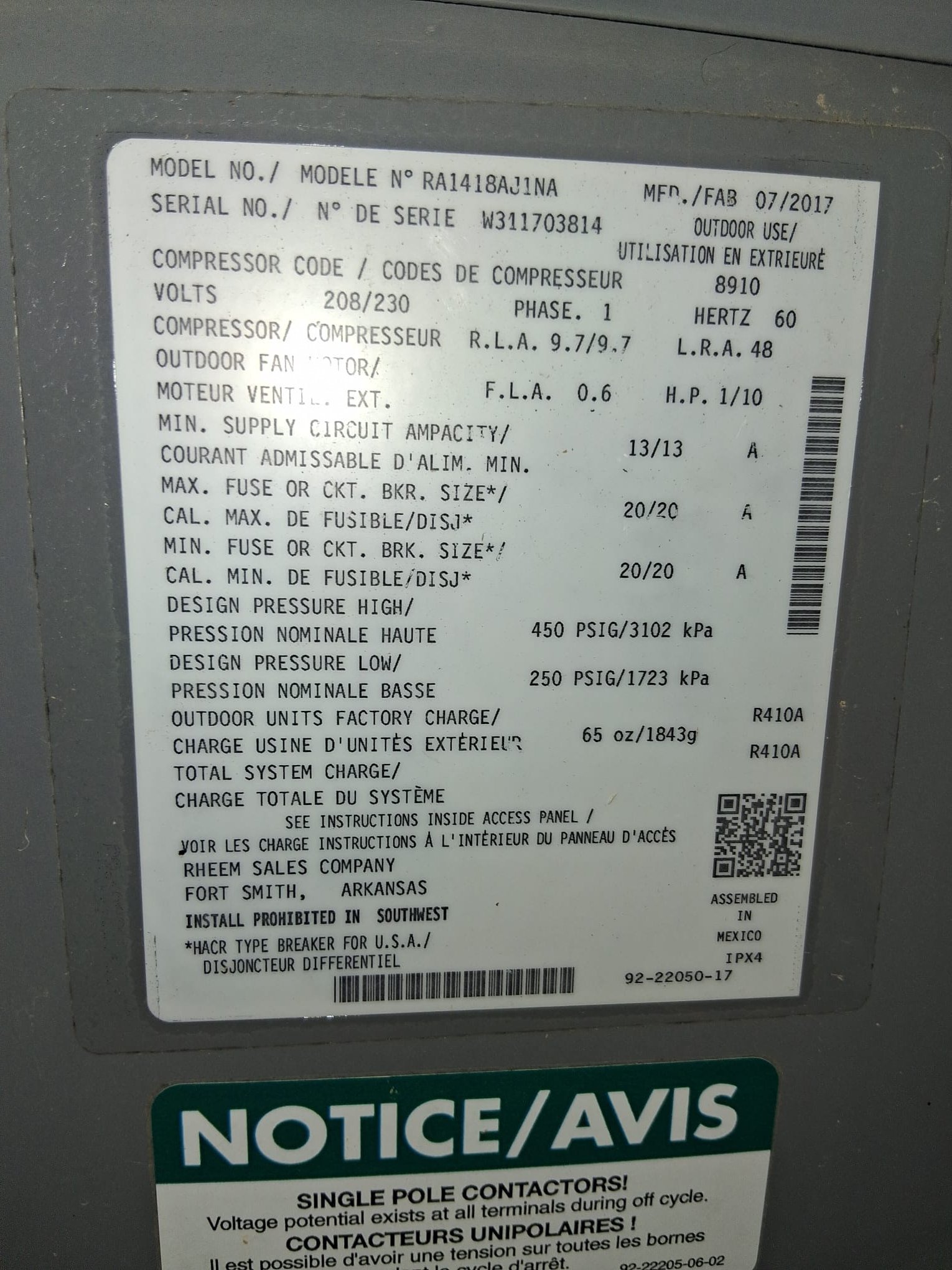
One of the first things a HEP technician checks is the equipment label. It may not look exciting, but it tells the story of the system: its age, model, and basic service details. That information helps a technician know what kind of repair is likely needed and whether a part match is correct.
For homeowners, this is a helpful tip too:
- Take a clear photo of your unit’s label.
- Keep the photo in your phone for quick reference.
- Make sure the label stays clean enough to read.
If your system is older, having that information ready can save time when service is needed.
What the homeowner noticed before the visit
In this Johnson City case, the signs were simple but important:
- The home felt warmer than usual.
- Airflow through the vents was weak or missing.
- The outdoor equipment was not acting normally.
Those three clues often point to a problem that should be checked sooner rather than later. A system that quits suddenly can be dealing with anything from a blocked filter to an electrical issue. The good news is that a trained HEP technician can usually narrow it down pretty quickly.
How a technician narrows down the cause
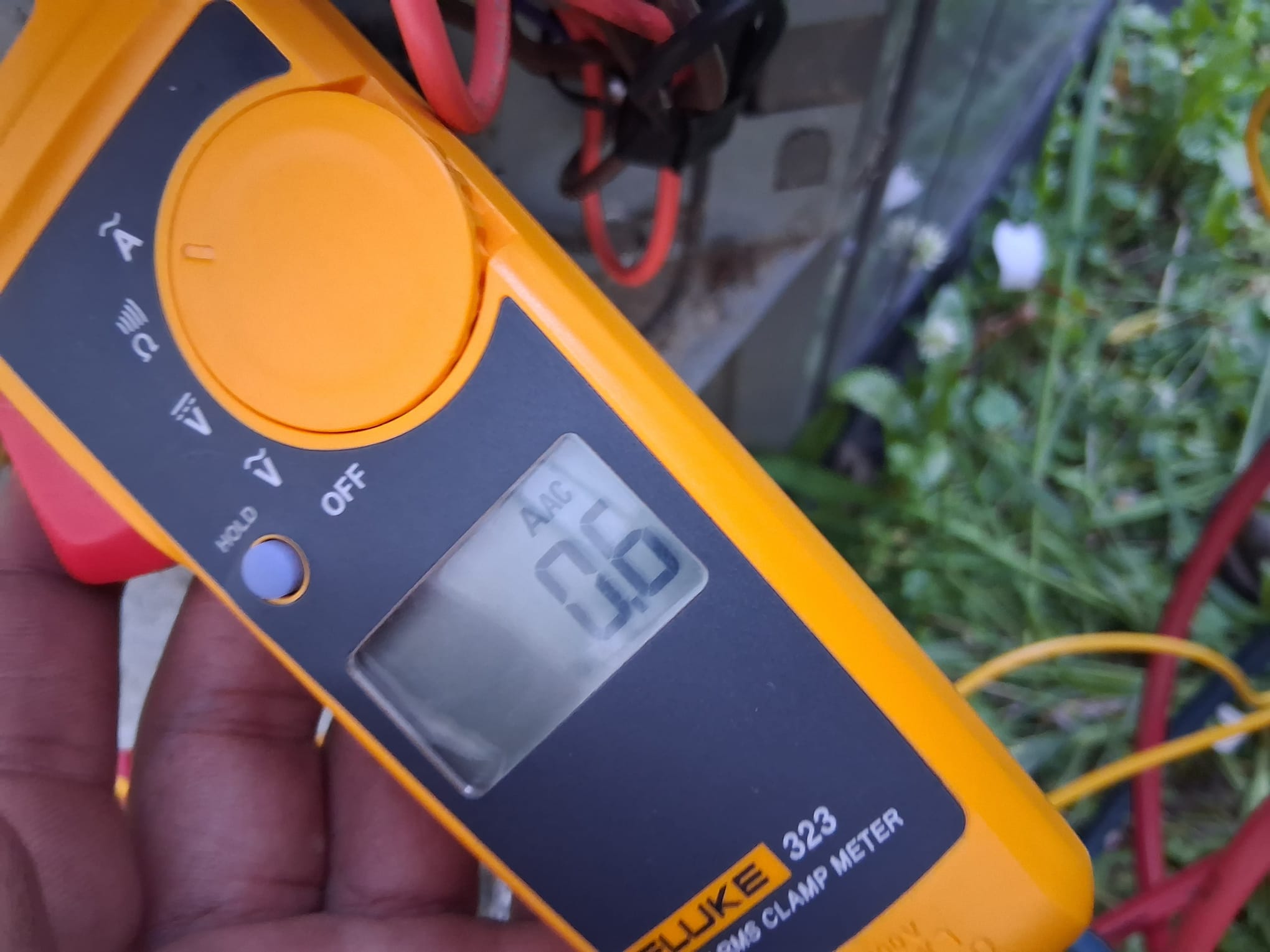
Before replacing parts, the HEP technician tested the system and checked the electrical side of the equipment. That step matters because it helps confirm whether the unit is actually getting the support it needs to start and run.
For homeowners, the main idea is simple: a broken-looking system is not always a big problem, and a quiet system is not always a simple one. That is why testing is so important.
Here are a few things a technician may consider during a visit:
- Is the system getting power?
- Is the outdoor unit trying to start?
- Is there any sign of heat damage or wear?
- Does the airflow problem begin at the filter, blower, or outside unit?
A meter reading and a visual inspection help the HEP technician avoid guesswork.
What was found inside the outdoor unit
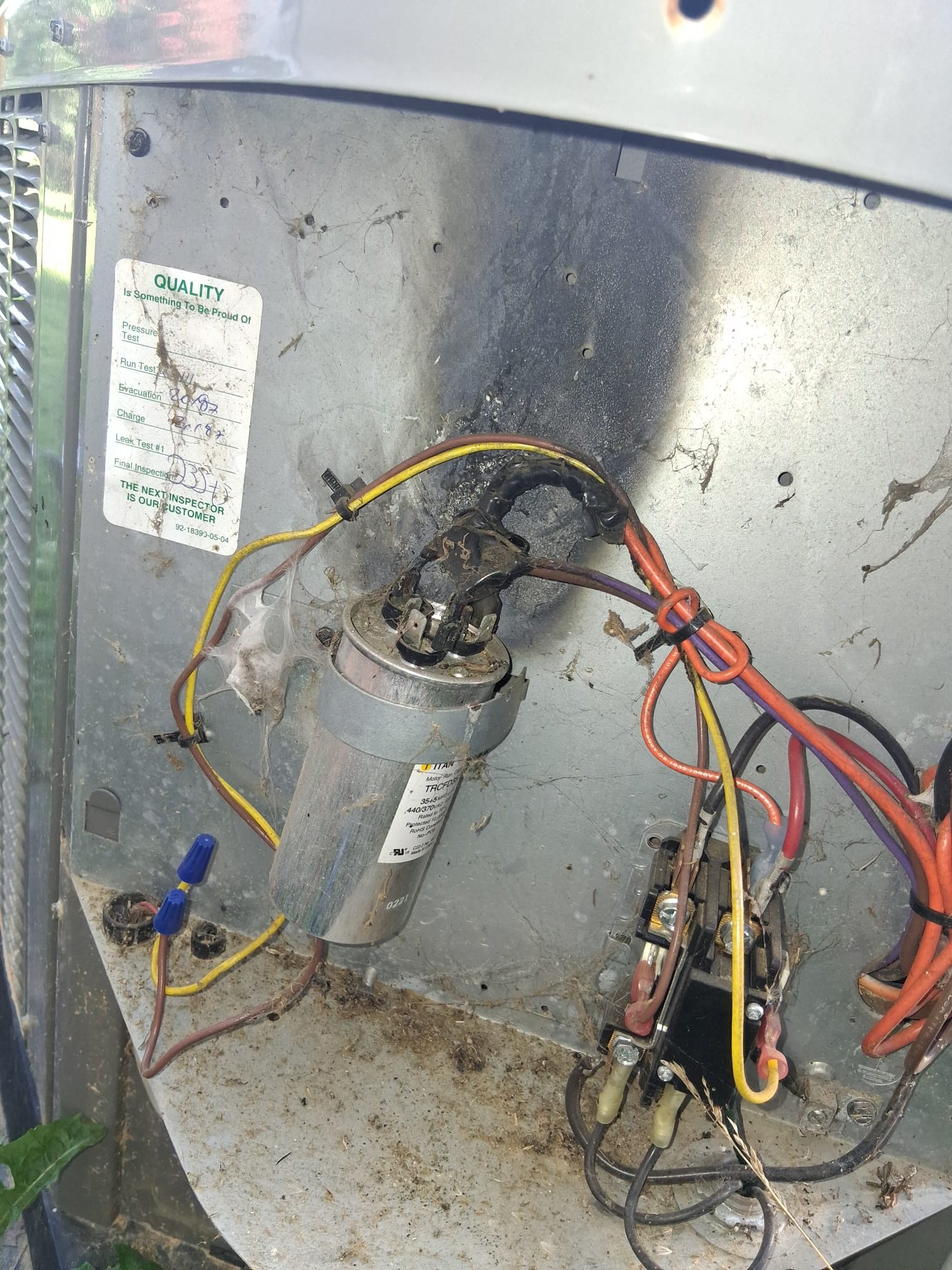
Once the outdoor cover was opened, the problem became clearer. The wiring in the unit had been damaged, and the area showed signs of overheating. In this case, debris and insects had gotten into the equipment area, which made the situation worse.
The technician also found that a small part used to help the outdoor unit start was no longer doing its job. Think of it as a helper part that gives the system the boost it needs to turn on.
This is a good reminder for homeowners:
- Outdoor HVAC equipment should stay clear of weeds, leaves, and clutter.
- Small openings can invite pests and debris.
- A strange smell, buzzing sound, or repeated failure to start should not be ignored.
If you ever notice visible damage around the outdoor unit, it is best to shut the system off and call for service.
How the repair was completed
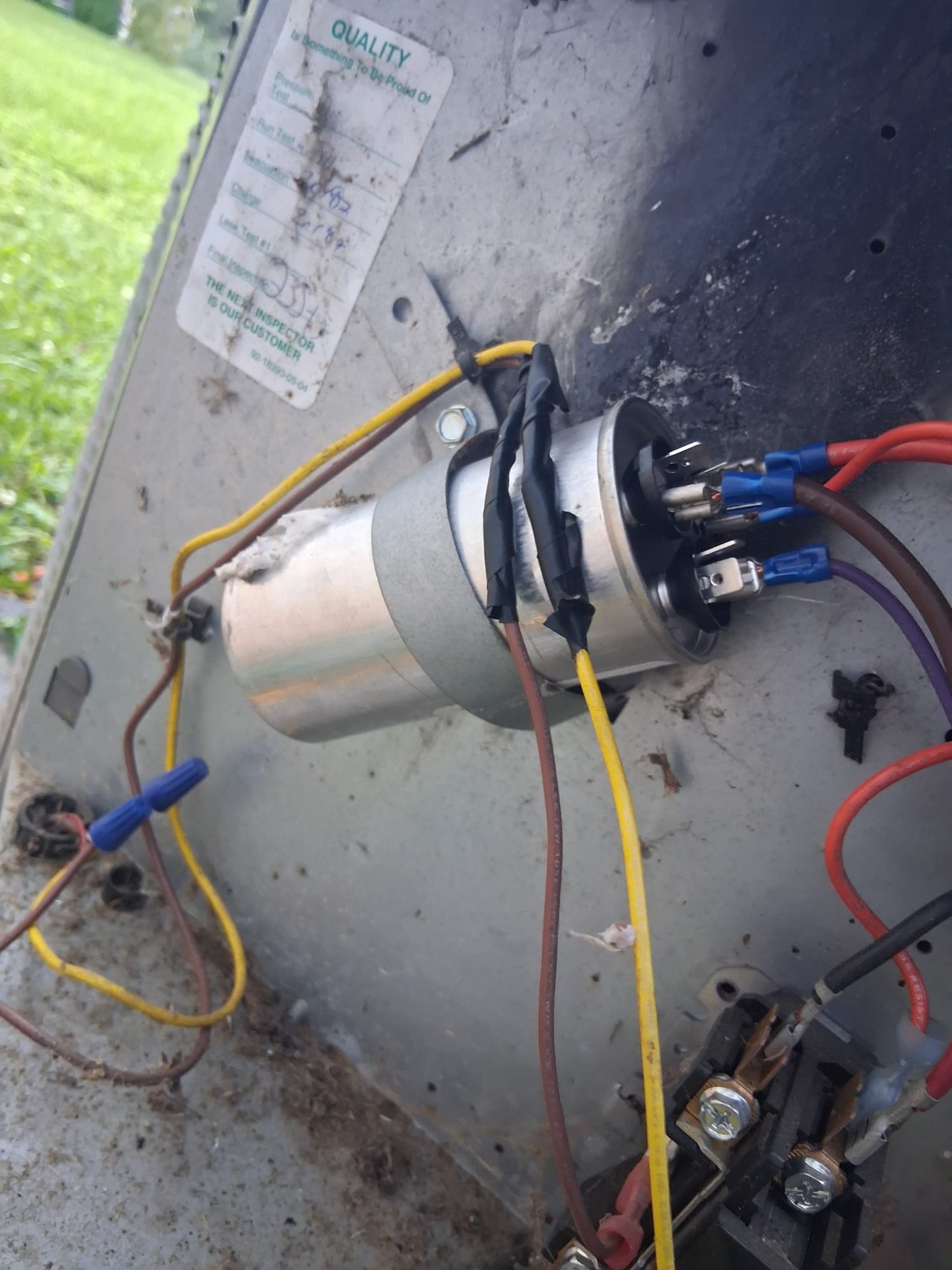
The HEP technician corrected the damaged wiring and installed a replacement starting component. After that, the system was tested again to make sure it was operating normally and safely.
That final check is important. A repair is not really finished until the system is running the way it should and the technician has confirmed that nothing else is causing trouble.
In plain terms, the issue was solved by:
- Finding the damaged wiring.
- Replacing the failed component.
- Testing the equipment after the repair.
The result was restored airflow and a system that could cool the home again.
A simple filter tip that can help prevent future trouble
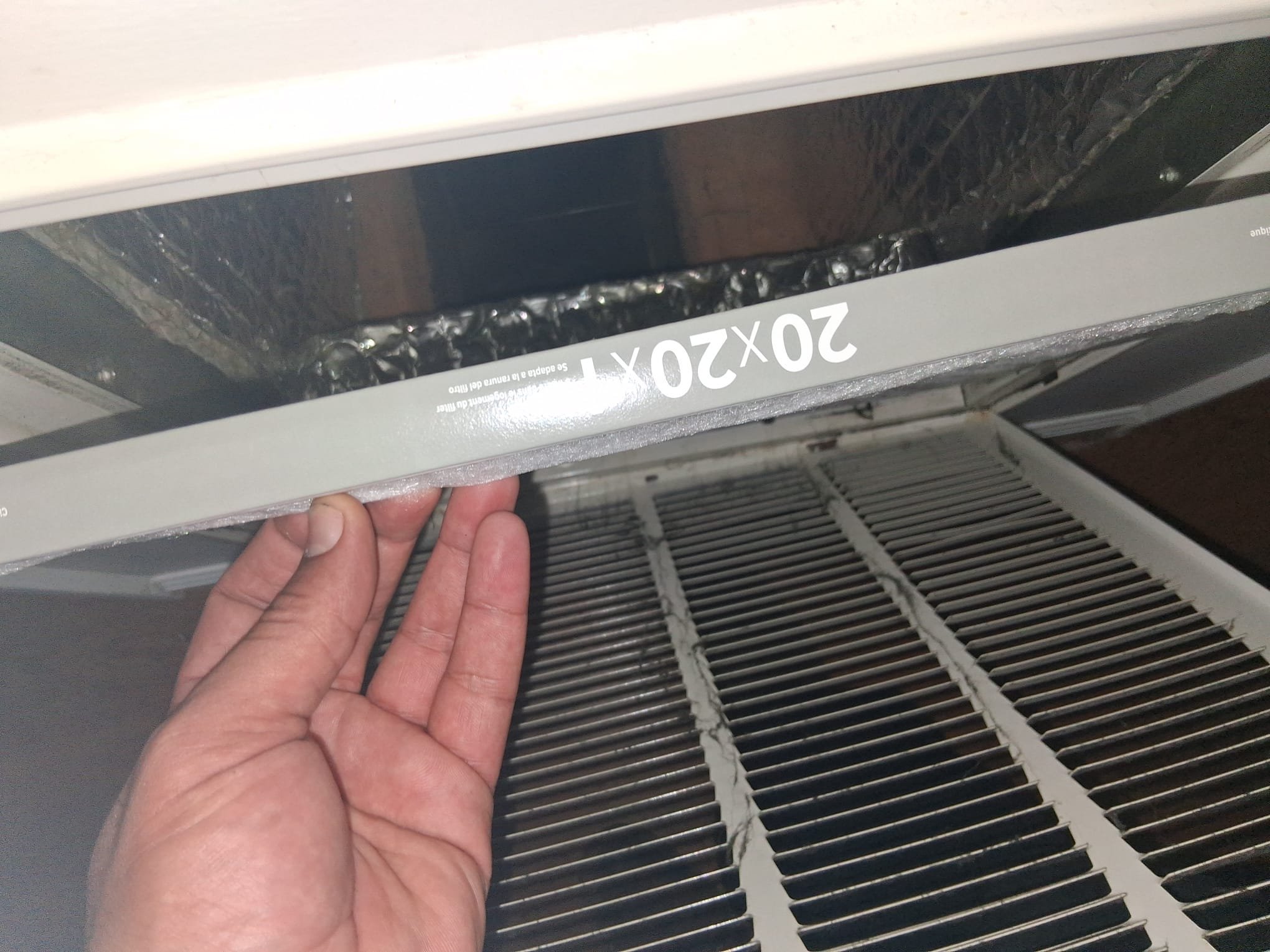
A clean filter may not seem related to an outdoor repair, but it matters more than many homeowners realize. A clogged filter can make the system work harder, reduce airflow, and put extra stress on the equipment.
A few easy habits can help:
- Check the filter regularly.
- Replace it when it looks dirty.
- Keep return vents open and unblocked.
- Make sure furniture or rugs are not covering airflow paths.
Even a small airflow problem can add strain to your HVAC system over time.
Homeowner tips from this Johnson City service call
Here are the biggest takeaways from this kind of visit:
- Keep the area around the outdoor unit open. Trim plants and remove leaves or debris.
- Pay attention to sounds and smells. Buzzing, clicking, or a burning odor should not be ignored.
- Check the basics first if the system stops. Thermostat settings, filters, and breakers are worth a quick look.
- Don’t keep resetting a system that keeps failing. Repeated restarts can make a small problem worse.
- Call a HEP technician if you see damage or ice. Visible problems are a sign the system needs attention.
Final thoughts
This Johnson City HVAC visit is a good example of how a comfort problem can start with something hidden inside the outdoor unit. The homeowner’s issue was traced to damaged wiring and a failed starting part, then corrected with repair work and a full system check. For homeowners, the lesson is simple: keep the equipment area clear, watch for early warning signs, and call for help when the system starts acting differently.
When a home suddenly stops cooling, a quick response from a HEP technician can make all the difference.
Published on August 3, 2026