When an HVAC System Stops Without Warning: Knoxville Homeowner Tips from a Recent Service Call
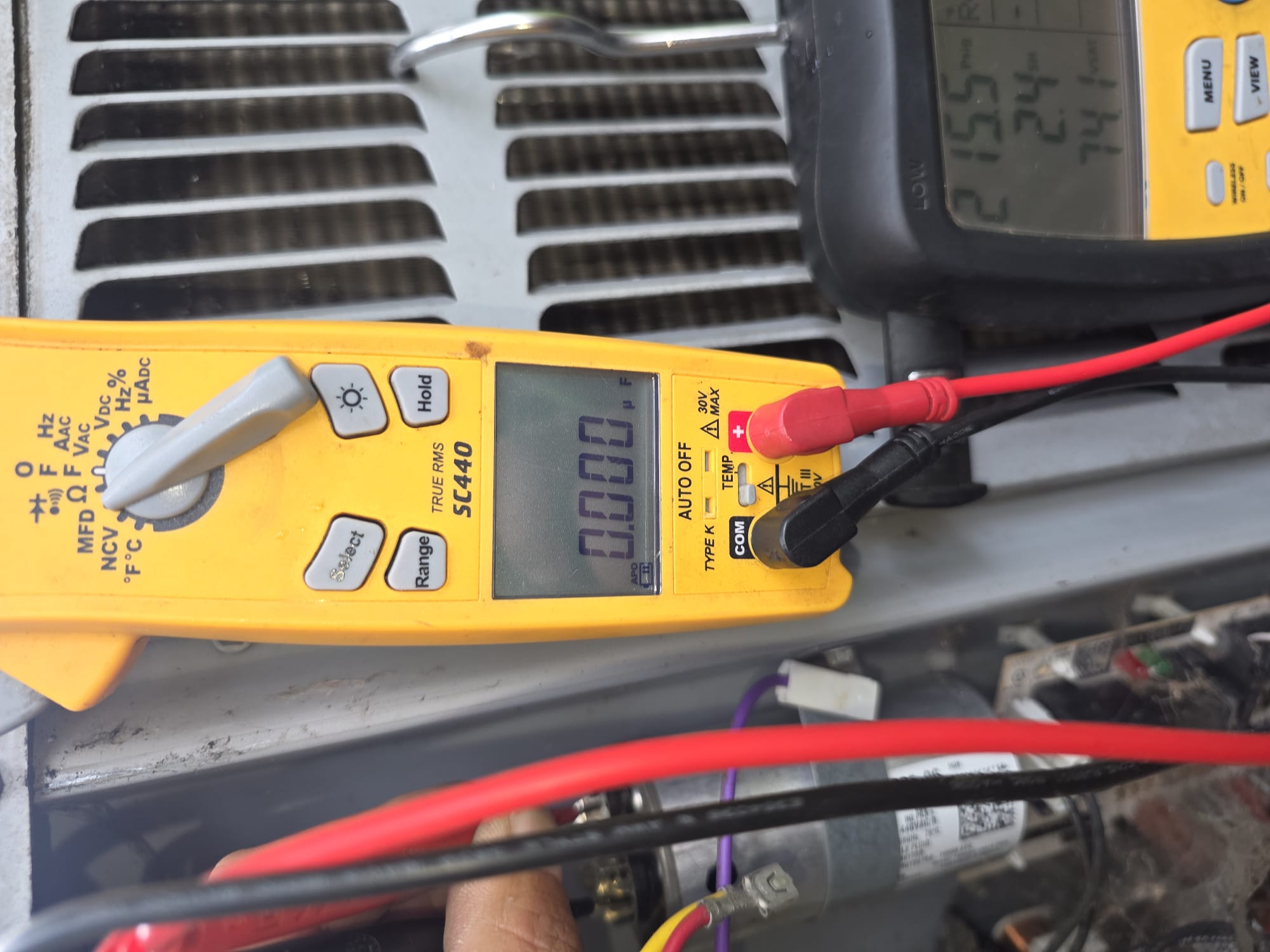
A Knoxville homeowner recently called after the house’s HVAC system suddenly stopped responding. The thermostat looked normal, but the unit would not kick on, leaving the home without heating or cooling. During the service visit, a HEP technician found a worn electrical part in the outdoor unit, replaced it, and then checked the system to make sure everything was working again. A small refrigerant correction was also made so the equipment could run more smoothly.
If you’re looking for more local HVAC help, start with Heating and Air Conditioning, learn more about Knoxville, or read about Heating and Air Conditioning in Knoxville.
What homeowners can safely check first
When an HVAC system quits suddenly, it’s easy to assume the worst. In many cases, though, the fix starts with a few simple checks you can do safely:
- Check the thermostat settings. Make sure it’s set to the right mode and temperature.
- Look at the breaker panel. A tripped breaker can keep the system from starting.
- Replace a dirty air filter if it’s easy to reach. A clogged filter can make the system work much harder.
- Look around the outdoor unit. Leaves, grass, and debris can block airflow.
- If you see ice, turn the system off and call for help. Don’t try to chip ice away yourself.
If those basics don’t solve the problem, it’s time to bring in a professional. A HEP technician can safely check the parts that homeowners should not open or test on their own.
Why a small part can shut down the whole system
One of the most common reasons an AC system won’t start is a weak capacitor. That’s a small part that helps the outdoor unit get moving. When it wears out, the system may just sit there, hum, or shut down before it really starts.
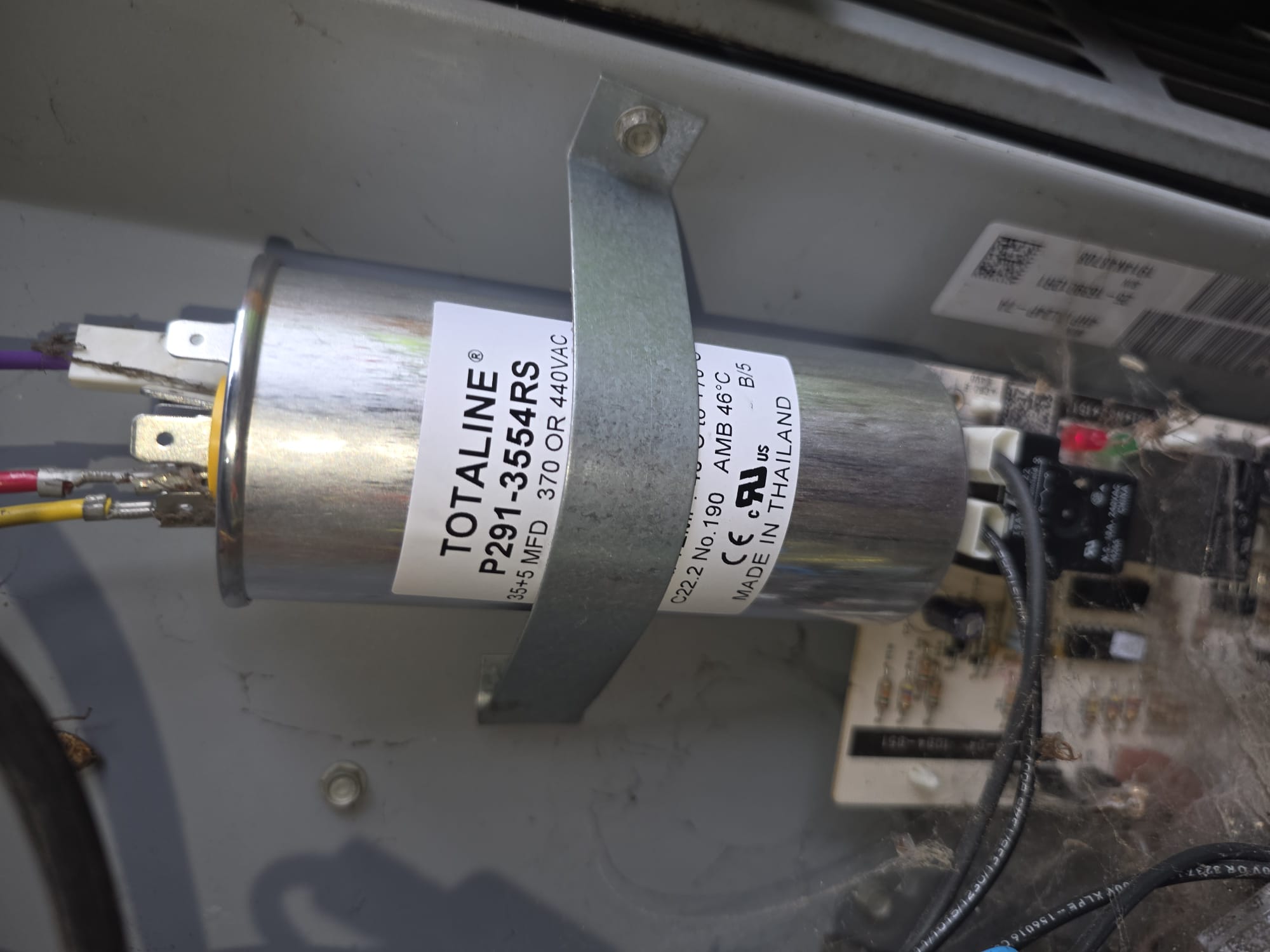
For homeowners, the lesson is simple: small parts matter. A part that looks tiny compared with the rest of the system can still stop the entire unit from working. The good news is that these issues are often straightforward for an experienced technician to find and replace.
Don’t overlook airflow
Another thing homeowners should remember is that airflow problems can strain the whole system. A dirty coil or clogged filter can make it harder for air to move the way it should.
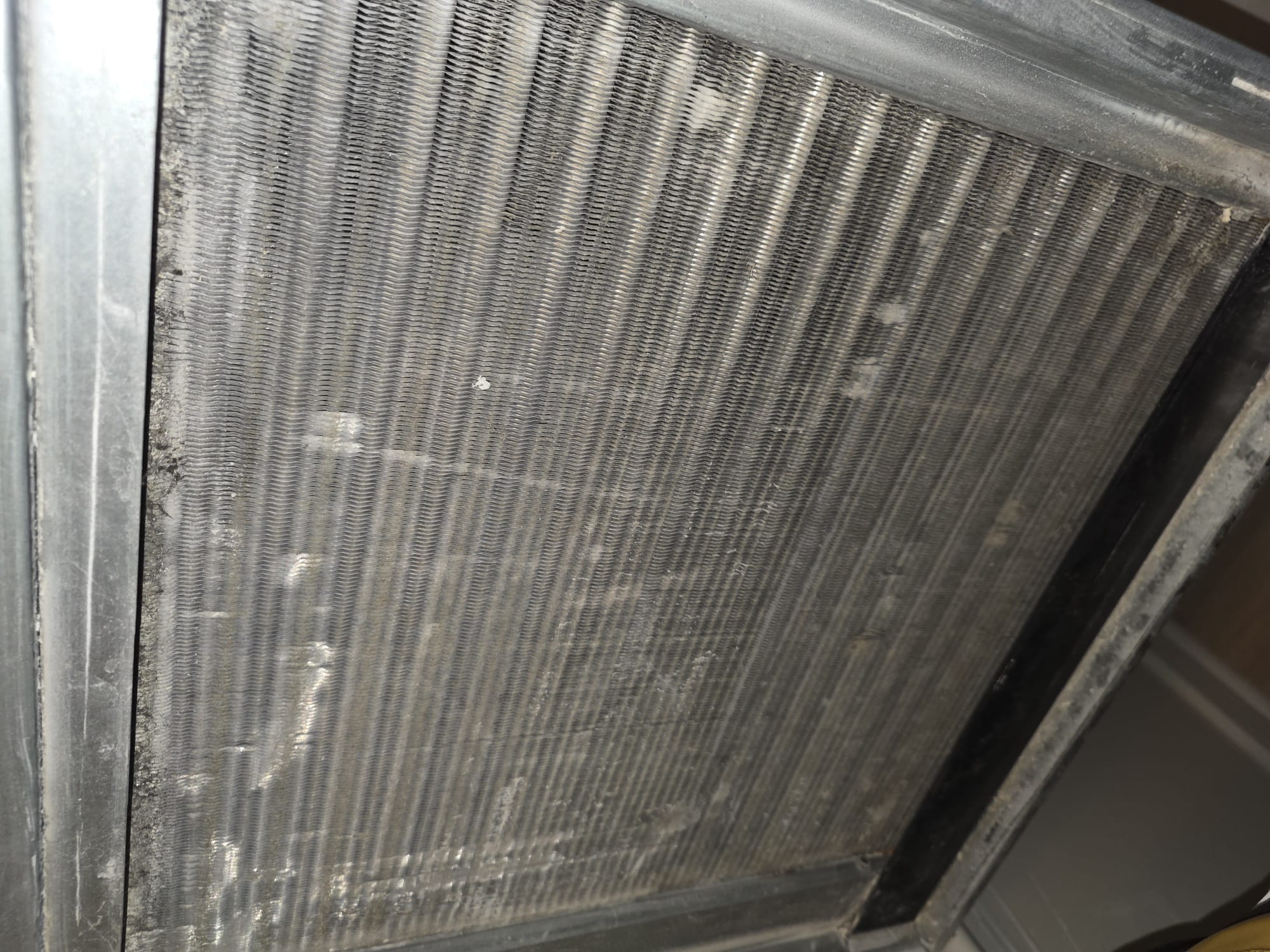
When airflow is restricted, the system may:
- struggle to cool or heat the home,
- run longer than normal,
- feel weak at the vents,
- or shut itself down to protect the equipment.
A few easy habits can help:
- change the filter regularly,
- keep supply and return vents open,
- avoid stacking boxes or furniture around the indoor unit,
- and keep the outdoor unit clear of weeds and debris.
These small steps can help prevent a service call later.
Refrigerant checks are for professionals
During the Knoxville visit, the HEP technician also checked the system’s cooling performance and made a small correction. That matters because refrigerant is not something homeowners should try to handle on their own.
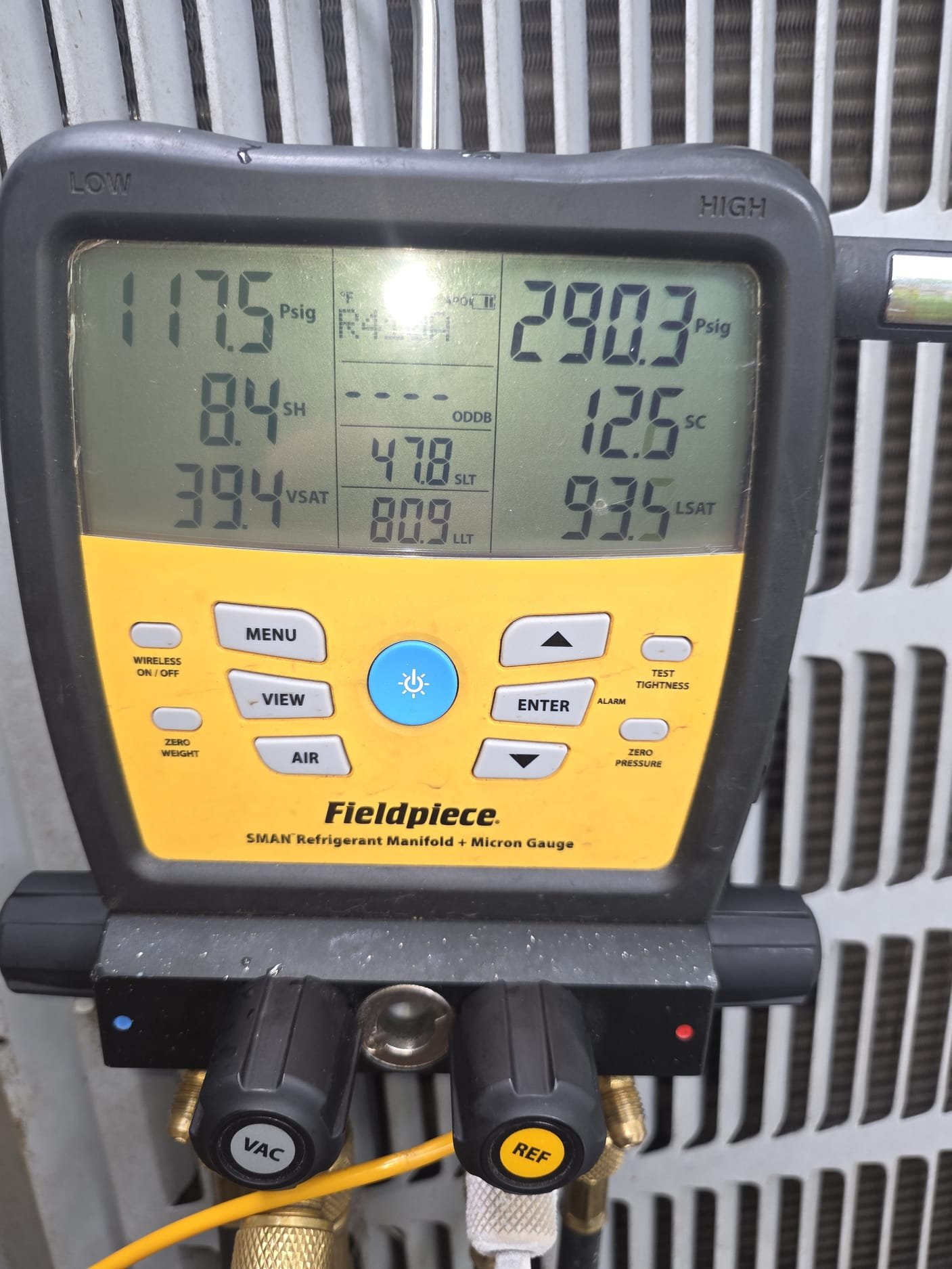
A useful way to think about refrigerant is this: it helps your system move heat out of the house. If the level is off, the home may not feel comfortable, even if the unit is running. When that happens, it usually means there’s something else going on that should be checked by a trained technician.
For homeowners, the main takeaway is:
- Don’t guess at refrigerant issues.
- Don’t try to “top off” the system yourself.
- Call a qualified HEP technician to find the real cause.
Routine service helps prevent surprise breakdowns
The indoor unit also deserves attention. A clean filter, clear access around the equipment, and regular maintenance can make a big difference over time.
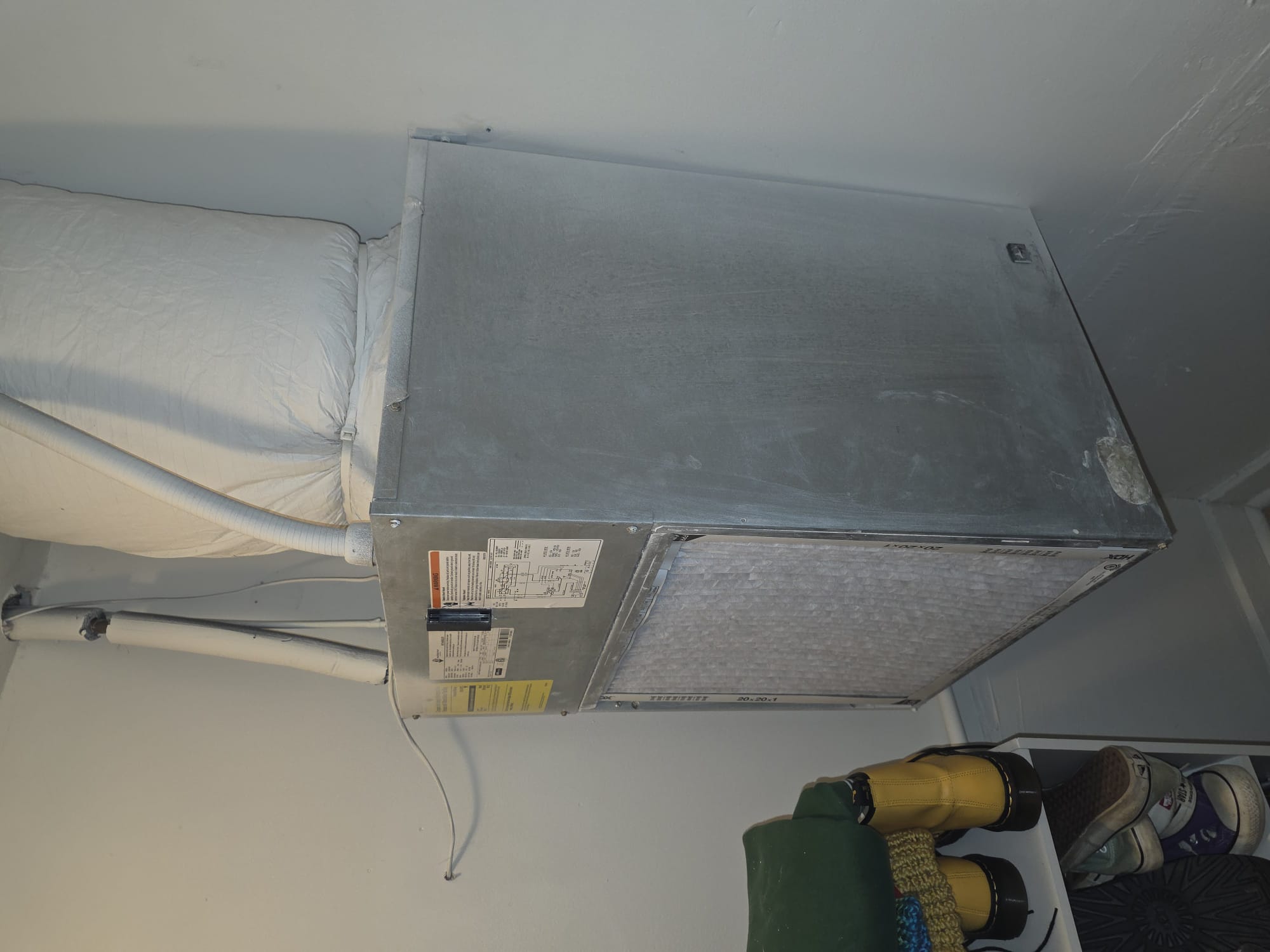
This is especially important if your HVAC equipment is tucked into a closet or tight utility space. If items are stored too close to the unit, it can make service harder and airflow worse. Regular checkups help catch small issues before they turn into a no-cooling or no-heating emergency.
A simple maintenance routine can include:
- changing the filter on schedule,
- keeping the area around the unit clear,
- listening for unusual sounds,
- and scheduling seasonal service before extreme weather arrives.
What this Knoxville repair shows homeowners
This Knoxville repair is a good reminder that a system that seems “dead” may not be finished at all. Often, the problem is a single worn part that can be identified quickly by a trained HEP technician. Once the faulty component was replaced, the system was checked again and returned to normal operation.
The big homeowner lesson is this: don’t wait until the whole system fails to pay attention to small warning signs. If your HVAC starts behaving differently, call for service early, keep your filters clean, and stay on top of routine maintenance. Those simple habits can save a lot of stress when the weather changes.
Published on August 1, 2026