When Your Heat Pump Hums Too Hard: A Louisville Homeowner’s HVAC Guide
Heating and Air Conditioning
Louisville
Heating and Air Conditioning in Louisville
Real-Life Scenario: A Routine Tune-Up Takes a Turn
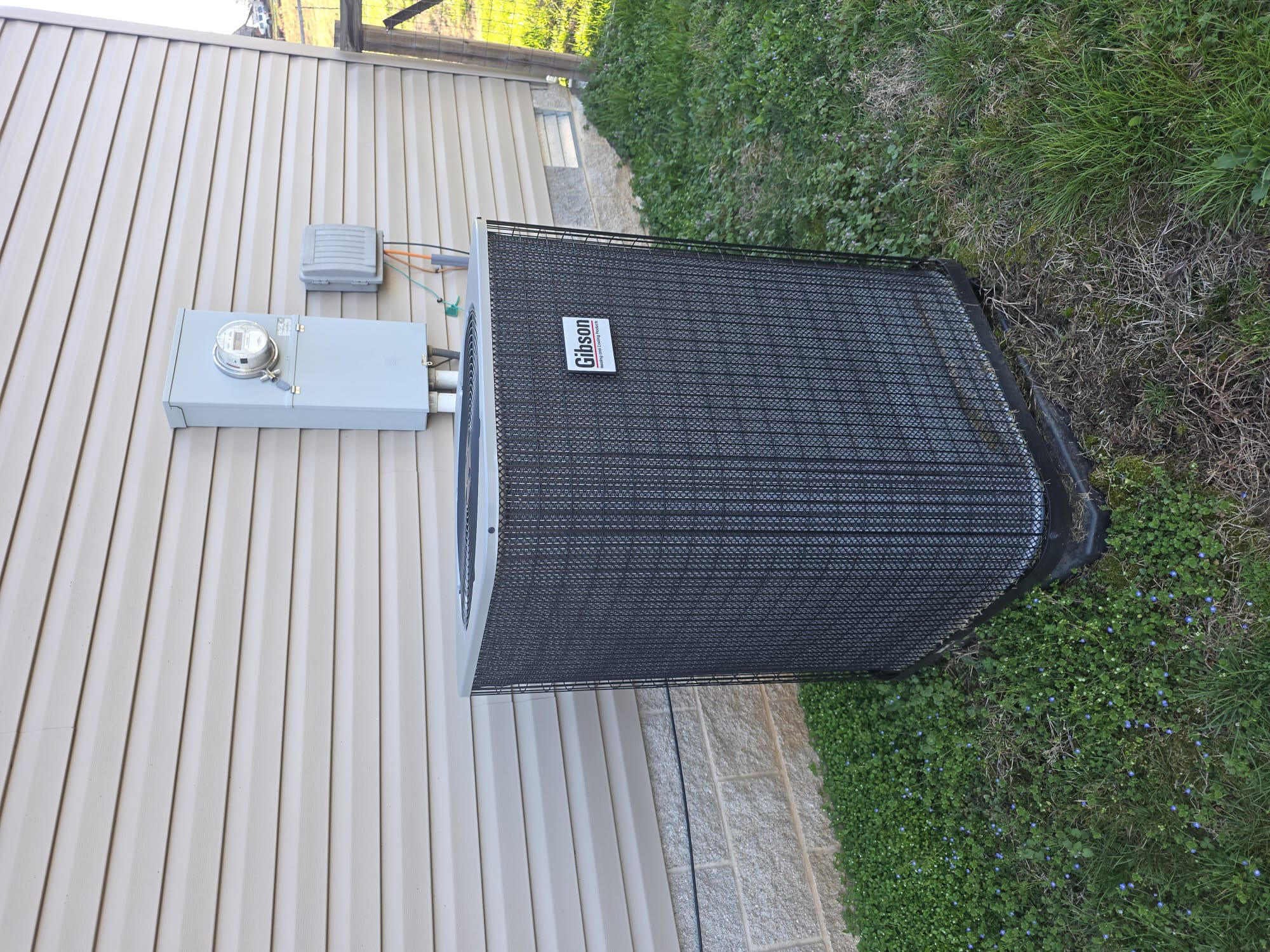
Last month, a homeowner in Louisville scheduled a seasonal check-in for their five-to-nine-year-old heat pump. What began as a standard preventive maintenance visit quickly turned into a bit of detective work. During the inspection, the HEP technician noticed the compressor was working harder than expected—pulling extra electrical current and straining to keep up.
To ensure everything would continue running smoothly until the next season, the homeowner agreed to replace a tired electrical component right away and asked the team for a ballpark idea of a full system upgrade down the road. By the end of the day, the system was balanced, quiet, and humming along safely—earning a five-star review from a relieved homeowner.
Pinpointing the Culprit: Weak Electrical Component
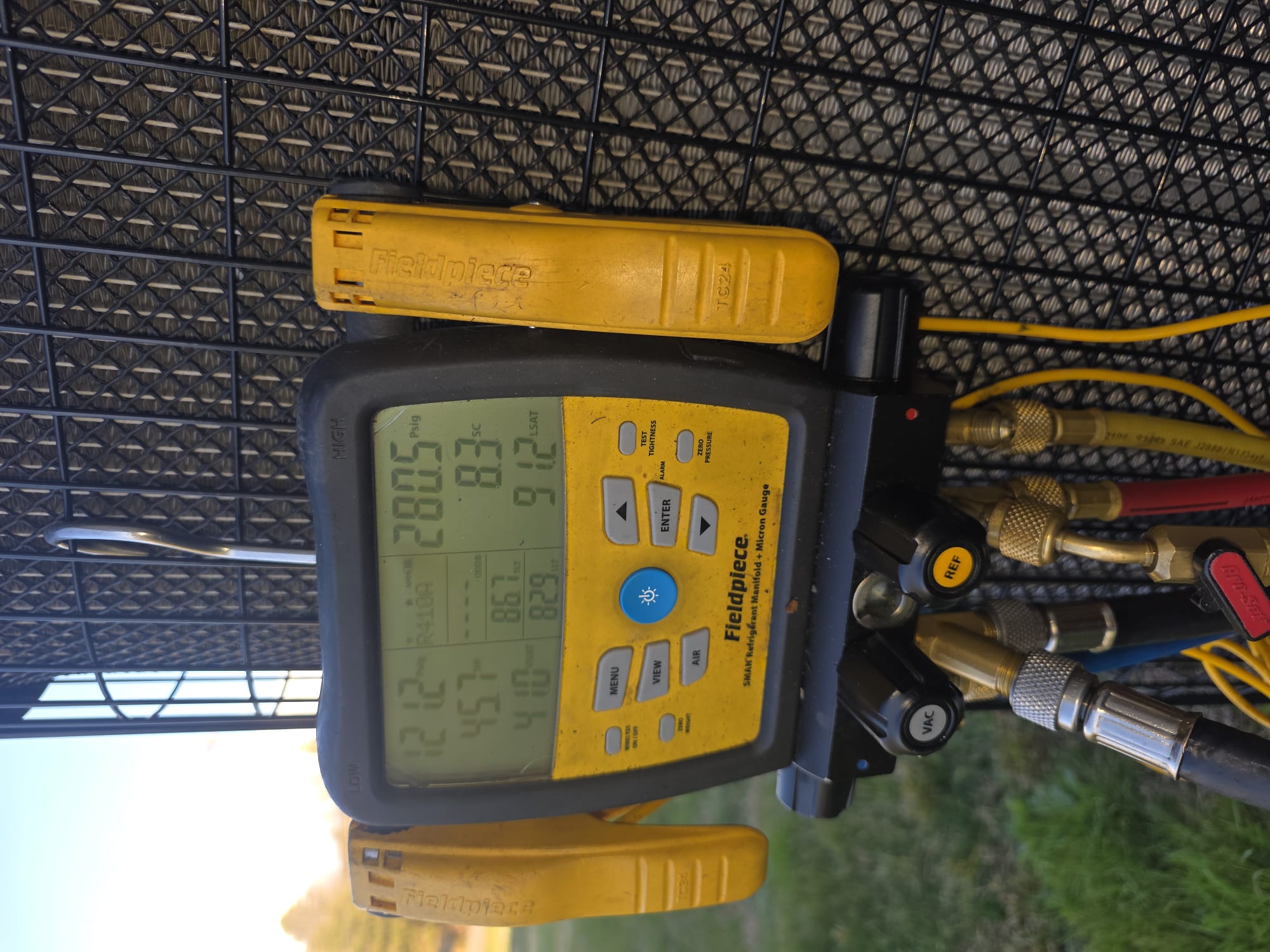
A common sign that your heat pump’s start capacitor is wearing out is a noticeable hum or sluggish start-up. In this case, the HEP technician used a digital manifold gauge set to verify refrigerant pressures and temperatures, ensuring the system charge was correct before moving on to electrical measurements.
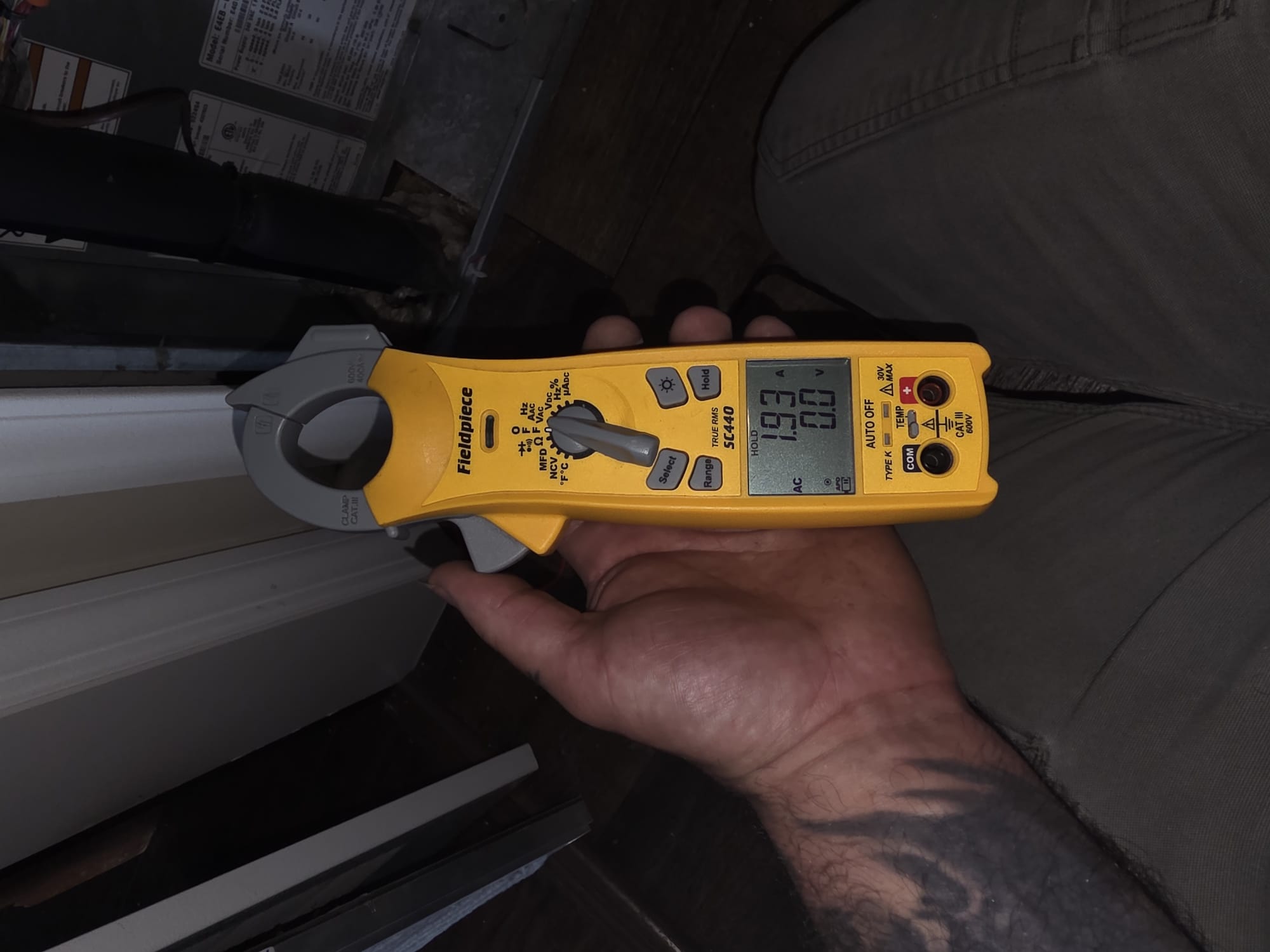
Next, a clamp meter measurement revealed the compressor was drawing higher amperage than its nameplate rating—an early warning that the capacitor was on its last legs. Replacing this small part not only restored normal operation but also prevented undue stress on the compressor, extending the life of the entire unit.
Inside the Home: Keeping Coils and Filters Clean
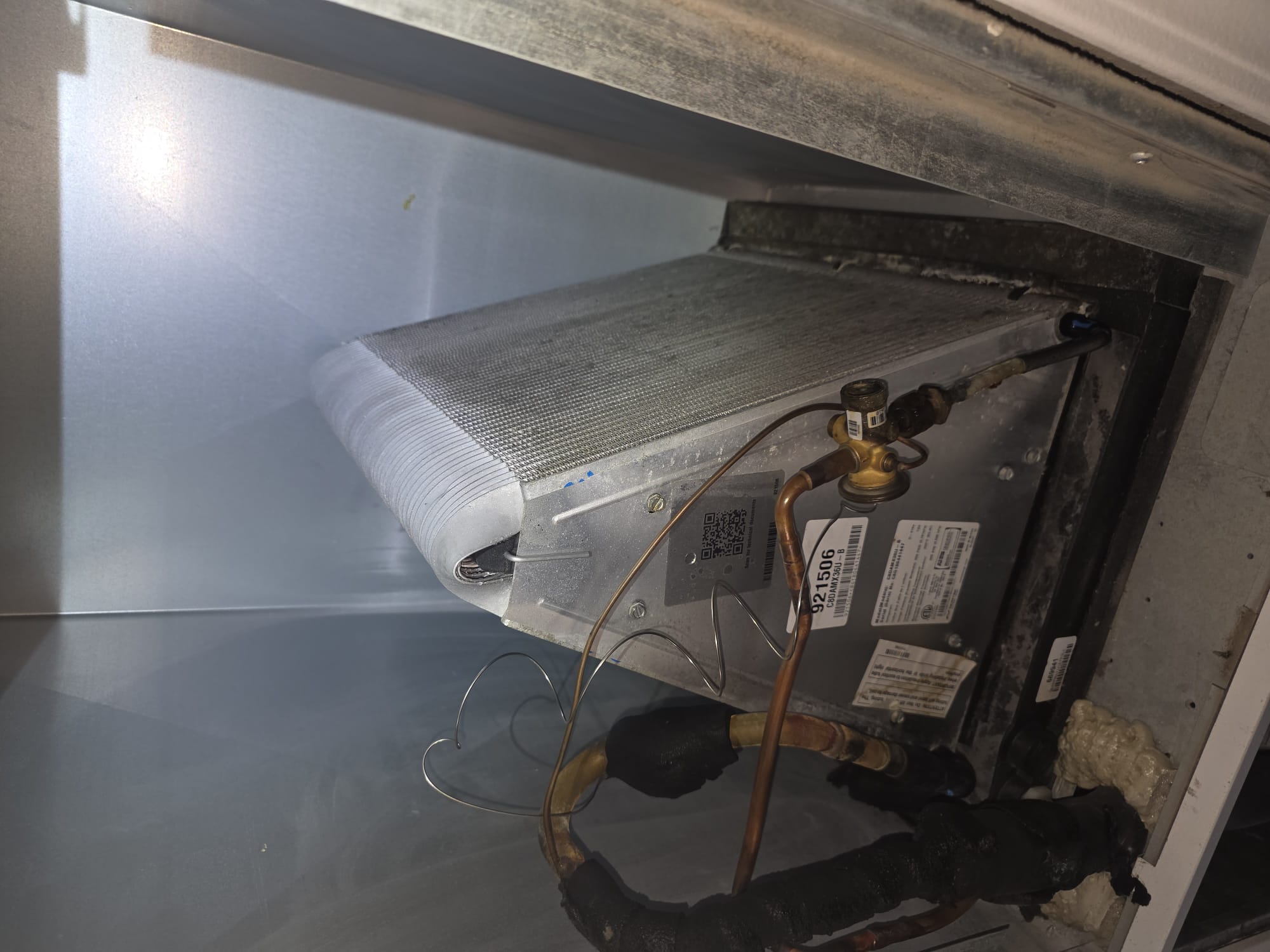
While outside checks are crucial, indoor components deserve attention, too. A clean evaporator coil promotes better airflow and heat exchange, reducing humidity issues and energy consumption. During this visit, the technician confirmed the coil was free of dust and debris—one less worry for the homeowner.
Key Takeaways for Homeowners
- Schedule annual inspections. Preventive maintenance catches small issues—like a weak capacitor—before they become big, costly breakdowns.
- Listen for unusual sounds. Humming, buzzing, or rattles are your system’s way of signaling a need for professional attention.
- Keep outdoor units clear. Good clearance around the condenser helps airflow and keeps debris from building up.
- Maintain a clean evaporator coil. Change filters regularly and have coils inspected to improve performance and indoor air quality.
- Plan for the future. If your heat pump is more than five years old, ask for a simple performance report and a rough estimate for a full replacement—this helps budget for a major upgrade when the time comes.
This entire service took place in Louisville, where seasonal temperature swings can put extra demand on your Heating and Air Conditioning in Louisville system. By partnering with a qualified HEP technician, you can catch issues early, keep your home comfortable year-round, and make informed decisions about future replacements.
Whether you’re due for a tune-up or hearing a new hum from your system, don’t wait—reach out and schedule a professional inspection to keep your home running smoothly.
Published on March 24, 2026