Why an AC May Try to Start but Still Leave a Home Warm
Related resources for homeowners: Heating and Air Conditioning, Norris, and Heating and Air Conditioning in Norris.
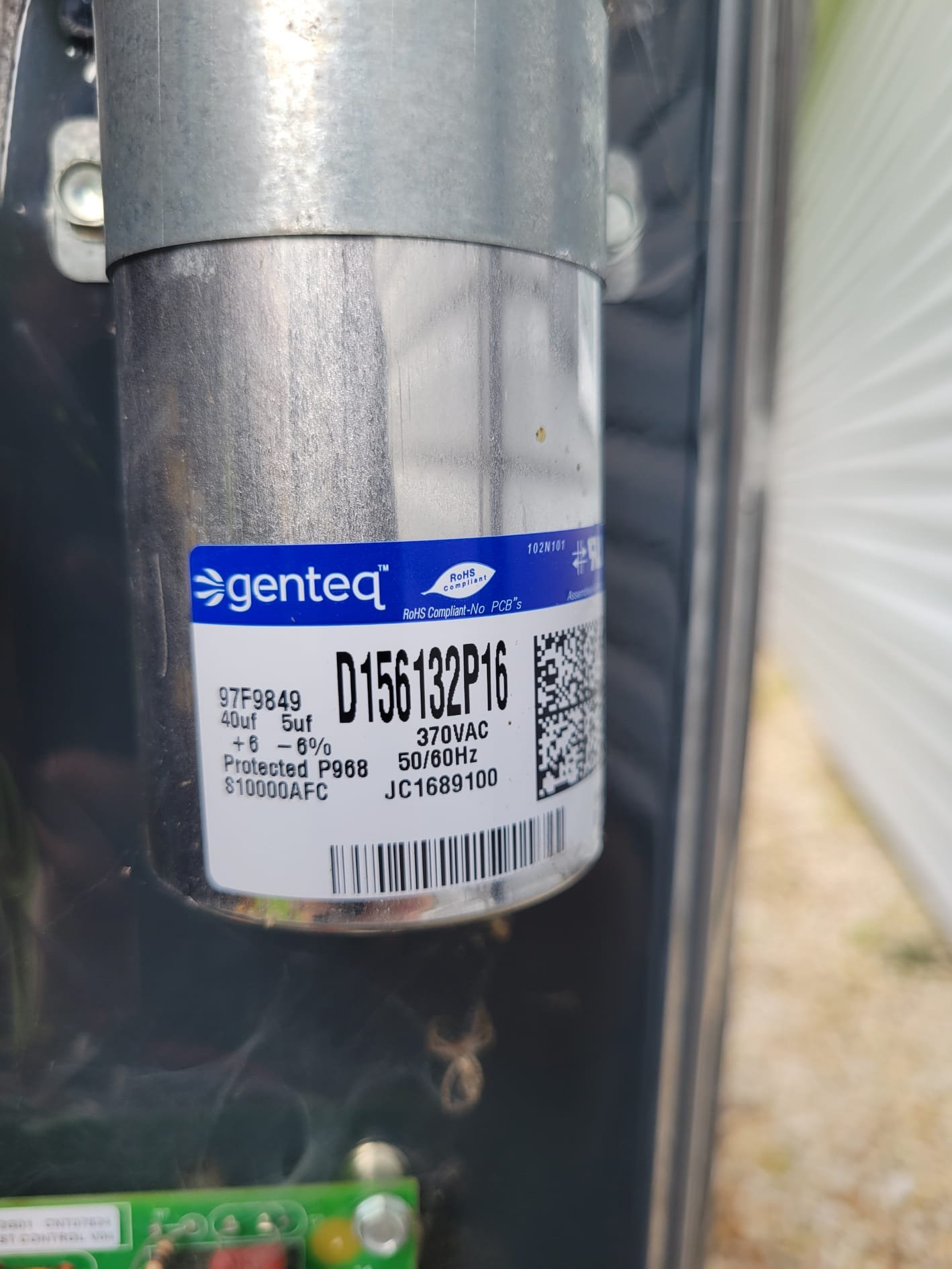
A homeowner in Norris called for HVAC service after the cooling system stopped behaving normally: it would try to start, but the house still wasn’t getting comfortable. A HEP technician found that the outdoor unit had a failed start-up part inside the cabinet, replaced it, and then checked the system to make sure everything was operating the way it should. The outdoor equipment was also gently cleaned while the visit was underway.
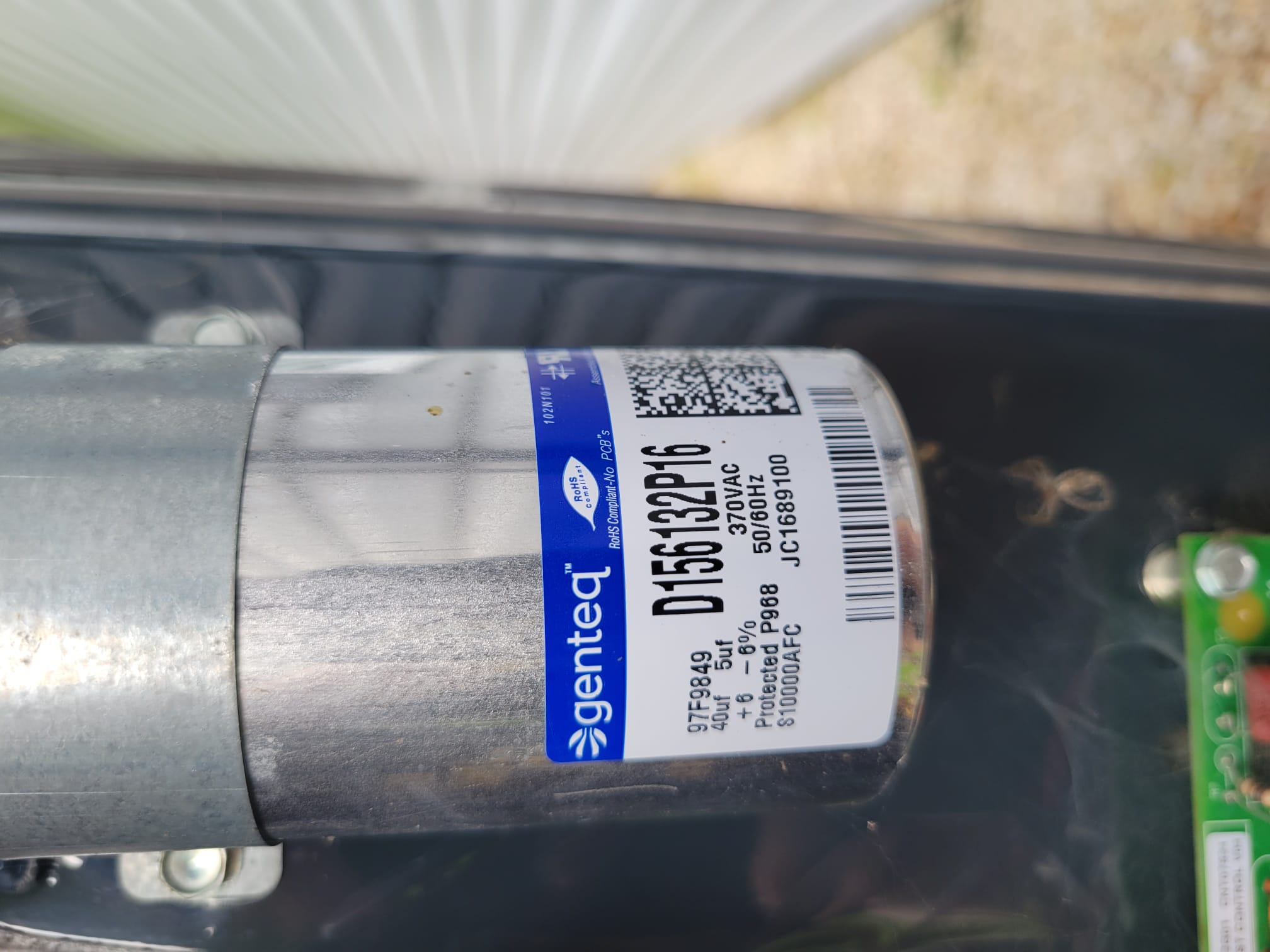
This is a good reminder that a problem that seems big from inside the house can sometimes come down to one small part outside. For homeowners, that means early warning signs matter. The sooner you call for help, the better chance you have of avoiding a longer outage during hot weather.
What the homeowner noticed
In many cases like this, the first clue is simple: the home feels warm even though the thermostat is set correctly. You may hear the system attempt to start, but the comfort never really kicks in. That can happen when an outdoor component is too weak to help the unit get moving.
A HEP technician can usually narrow the issue down quickly by listening, testing, and checking the outdoor cabinet. That matters because not every cooling problem is the same. Sometimes it is a setting or a dirty filter. Other times, it is a part that has just worn out.
Why a small part can shut the whole system down
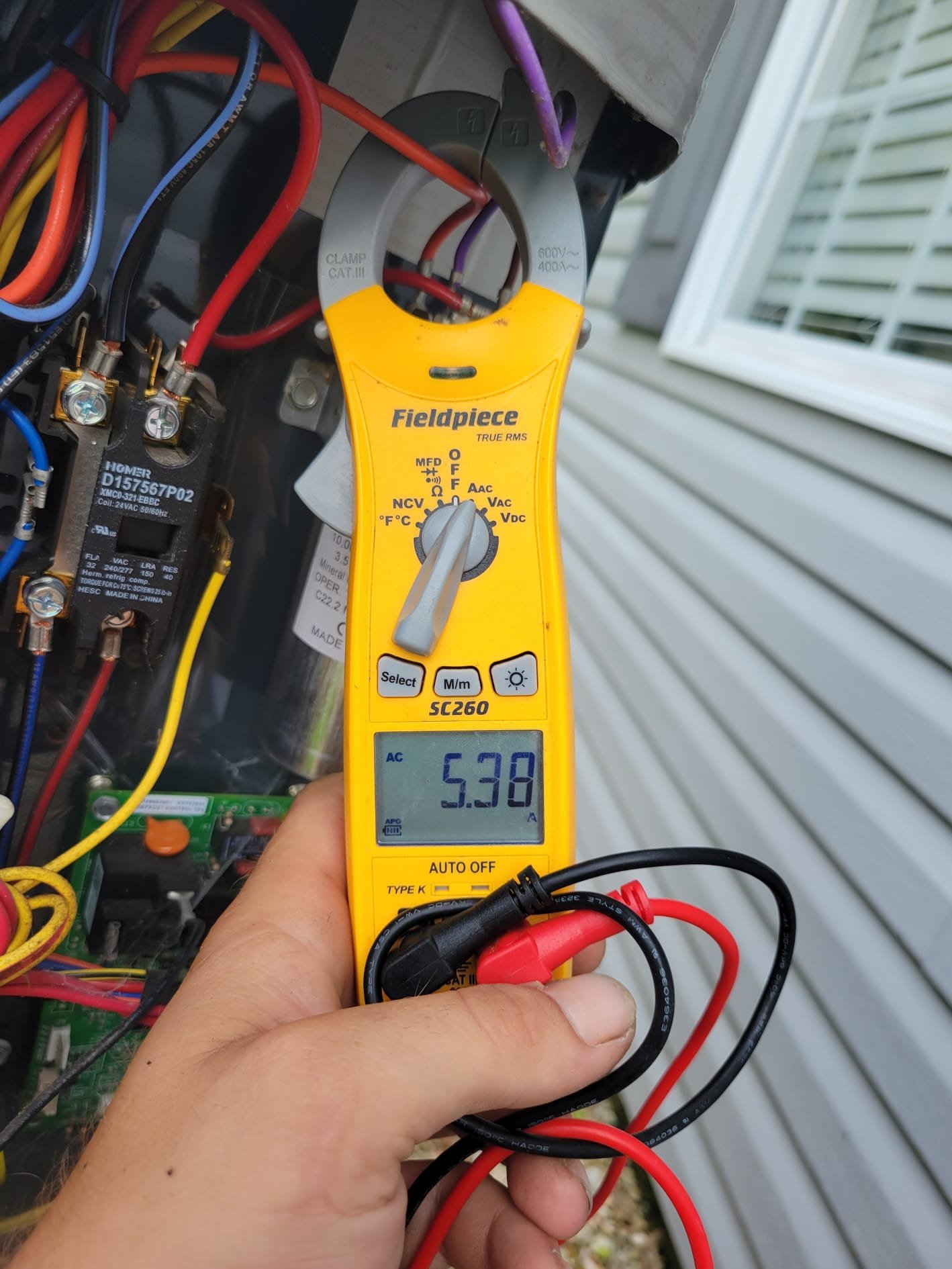
Think of the start-up part as a helper that gives the outdoor system the push it needs. If that helper gets weak or fails, the unit may struggle, stall, or refuse to settle into normal operation.
For a homeowner, the key lesson is this:
- A short start attempt is not something to ignore
- Repeated restarts can lead to more wear
- A small repair now may prevent a larger repair later
In this Norris service call, the fix was straightforward once the problem was identified. The HEP technician replaced the failed part, then made sure the equipment responded properly after the repair.
Helpful tips for homeowners
You do not need to be an HVAC expert to protect your system. A few simple habits can make a big difference:
1. Keep the outdoor unit clear
Leaves, grass, weeds, and patio debris can block airflow. Give the equipment room to breathe on all sides.
2. Give it a gentle rinse now and then
A light cleaning can help, especially after pollen season or a dusty stretch. Use care and avoid strong pressure that could bend or damage the fins.
3. Pay attention to unusual behavior
If the system starts and stops repeatedly, sounds strained, or seems slow to cool, it is worth a service call.
4. Change filters on time
A dirty filter can make the whole system work harder than it should. That extra strain can shorten the life of parts.
5. Schedule routine maintenance
A regular checkup gives a HEP technician the chance to catch weak parts before they fail on a hot day.
In a place like Norris, where warm weather can make indoor comfort a priority fast, these simple steps can save a lot of frustration.
What was done during this visit
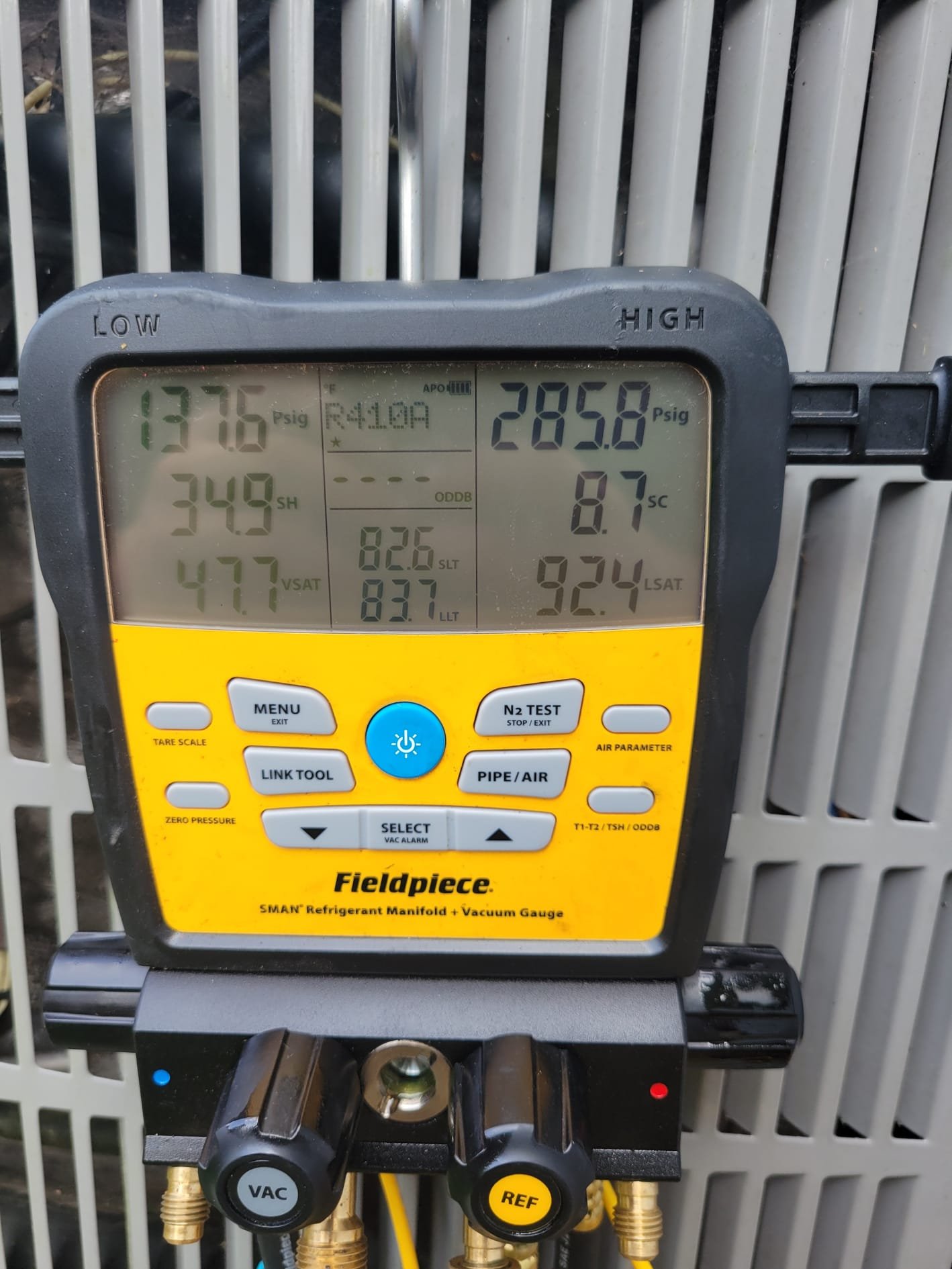
After the failed part was replaced, the system was tested to confirm it was functioning normally. The outdoor cabinet was also cleaned up with a gentle rinse, which is a nice bonus for airflow and overall appearance.
That combination of repair + testing + basic cleaning is a great example of what a good HVAC service visit should accomplish. The goal is not just to get the unit running again, but to help it run more reliably afterward.
The takeaway for homeowners
If your cooling system tries to start but does not fully come on, don’t wait until the house gets uncomfortably hot. A small issue inside the outdoor unit may be the cause, and it is often best handled by a professional.
For this Norris homeowner, the solution was simple and effective: a HEP technician replaced the failing component, checked the system, and helped restore normal cooling performance. That kind of prompt HVAC service can make a stressful day much easier.
Published on August 18, 2026